
How Much Does It Cost to Repair an Alternator? Diagnosis, Replacement, and Labor Costs
Repairing an alternator involves several cost factors. Diagnosis usually costs between $50 and $120. This fee covers testing the battery, alternator output, and electrical connections.
If the issue is minor, such as worn brushes or bearings, repair costs are generally lower. However, a full alternator replacement can cost from $300 to $700. This price includes both parts and labor.
Prices vary depending on the vehicle type, parts quality, and labor rates. Understanding these factors can help you decide whether to repair or replace your alternator.
This guide provides clear information to assist with that choice.
How Can You Tell If Your Alternator Needs Repair?
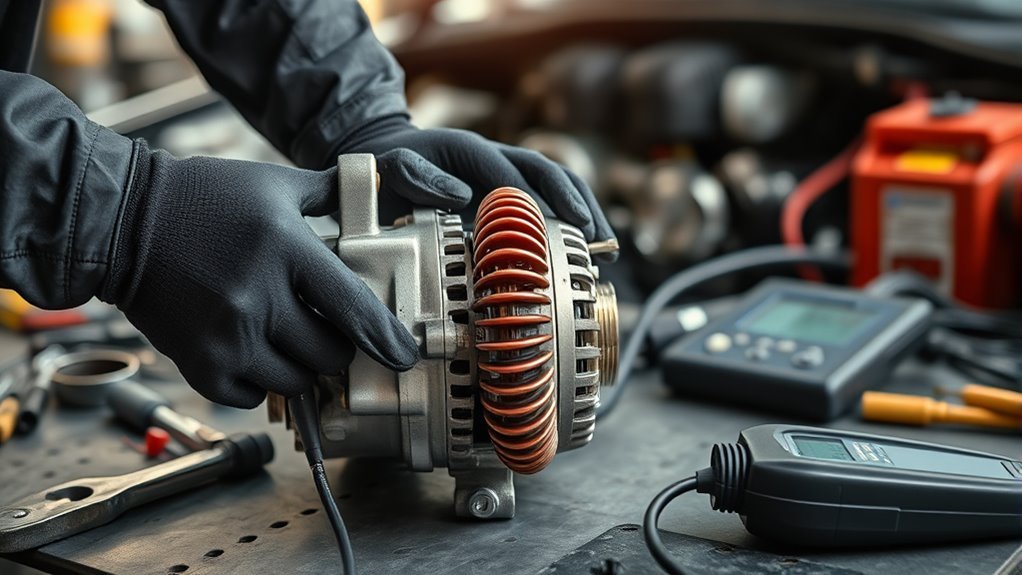
An alternator charges the vehicle’s battery and powers electrical systems while the engine runs. Signs of alternator failure include dim headlights, dashboard warning lights, electrical issues, engine stalling, and unusual noises. Early detection helps prevent breakdowns and damage to the vehicle’s electrical system.
The alternator charges the battery and powers electrical systems; early signs of failure help prevent breakdowns.
Common signs of alternator problems:
- Dimming or flickering headlights.
- Battery or charging system warning lights on the dashboard.
- Malfunctioning electrical components, such as power windows or radio.
- Engine stalling or difficulty starting due to insufficient battery charge.
- Grinding or whining noises near the engine area.
- Visible wear, cracks, or corrosion on belts and electrical connections.
Regularly inspect belts and connections for damage or corrosion, as these can reduce alternator efficiency. If you notice any symptoms, have a professional test the alternator output and battery condition promptly to avoid unexpected failures.
What Does Alternator Diagnosis Usually Cost?
The cost of diagnosing an alternator typically ranges between $50 and $100, depending on the service provider. Diagnostic procedures often include testing the battery, alternator output, and electrical connections. Factors such as vehicle make, model, and the complexity of the issue can influence the final diagnostic fee.
Diagnostic Fee Range
Diagnostic fees for alternator issues typically range from $50 to $120. This fee covers labor for inspecting the alternator and related parts to identify the problem accurately. The exact cost depends on factors like location, vehicle type, and repair shop rates.
Several factors affect the diagnostic fee:
- Geographic location and local cost of living
- Complexity of the vehicle’s electrical system
- Technician’s experience and reputation
- Use of additional tests or computer diagnostics
Knowing the diagnostic fee range helps vehicle owners plan for upfront costs. Clear communication about fees ensures transparency between customers and repair shops before starting repairs.
Testing Procedures Explained
Testing procedures for alternator diagnosis identify charging system issues through specific electrical and mechanical checks. These tests confirm alternator performance and help determine necessary repairs.
Mechanics follow a multistep process to diagnose alternators:
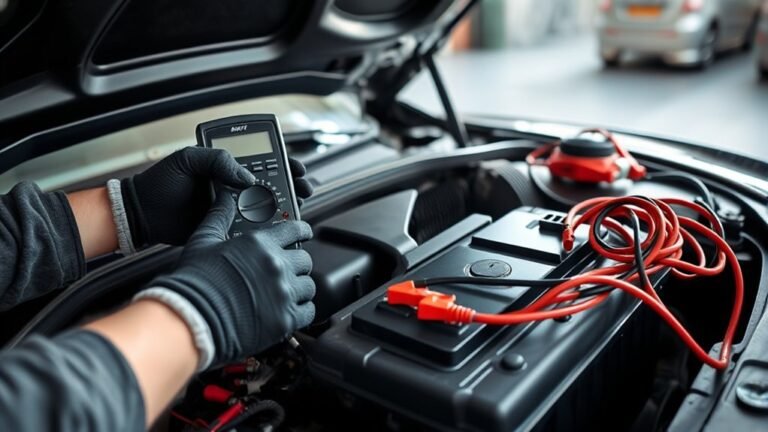
- Measure battery voltage and alternator output with a multimeter to find charging irregularities.
- Perform a load test to assess alternator function under real operating conditions.
- Inspect belt tension and electrical connections to exclude external causes of charging problems.
- Use specialized diagnostic tools to scan for error codes related to the charging system.
The entire diagnostic process typically takes 30 to 60 minutes. This time frame supports the diagnostic fee and ensures accurate fault identification. Proper testing prevents unnecessary repairs by pinpointing the exact issue.
Factors Affecting Cost
Alternator diagnosis costs vary depending on location, labor rates, vehicle type, and diagnostic tools. Typical fees range from $50 to $150 but can change based on specific circumstances.
Several factors influence the cost of diagnosing an alternator:
- Vehicle make and model: Luxury or complex vehicles often need specialized diagnostic equipment, raising costs.
- Labor rates: Mechanics in urban areas usually charge higher hourly rates than those in rural regions.
- Diagnostic method: Basic testing is less expensive than advanced computerized diagnostics.
- Additional repairs: Identifying other electrical issues during diagnosis can increase the total price.
Knowing these factors helps estimate the overall cost of alternator diagnosis accurately.
Repairing vs. Replacing Your Alternator: Which Costs Less?
Repairing an alternator often costs less when the damage involves minor parts like brushes, bearings, or voltage regulators. Replacing an alternator is usually more expensive upfront but offers a fully functional unit with a warranty and longer reliability.
Minor damage to alternator components can be fixed at a lower cost. Repair costs depend on labor and the specific parts needing replacement. Repairs tend to be quicker but might not last as long as a new alternator. Extensive internal damage or worn parts usually make replacement the better choice.
Replacement involves buying a new or remanufactured alternator. This option has higher initial costs but reduces the risk of future breakdowns. New units come with warranties, which cover defects and provide peace of mind. Replacement also ensures full compatibility and performance.
Cost comparison summary:
| Factor | Repair | Replacement |
|---|---|---|
| Cost | Lower if damage is minor | Higher upfront expense |
| Time | Usually faster | Longer installation time |
| Durability | May be shorter | Longer lifespan |
| Warranty | Often limited or none | Typically included |
| Risk of future issues | Higher if underlying damage remains | Lower with new unit |
Vehicle owners should assess alternator condition and repair estimates before deciding. If repairs approach the cost of replacement or if damage is extensive, replacing the alternator is often more economical long-term.
How Much Does a New Alternator Replacement Cost?
A new alternator replacement usually costs between $300 and $700. This price includes parts and labor. The exact cost depends on the vehicle’s make and model, the alternator type, and local labor rates.
Alternator cost varies with brand and specifications. Original equipment manufacturer (OEM) parts often cost more than aftermarket alternatives. High-output alternators for vehicles with extra electrical demands increase the price. Complex electrical systems in some cars add to labor time and parts cost.
Key factors affecting alternator replacement cost:
- Vehicle make and model complexity
- Alternator brand and quality (OEM vs. aftermarket)
- Alternator specifications (standard or high-output)
- Regional parts pricing and labor rates
Understanding these factors helps estimate the total expense for replacing a new alternator.
What You’ll Pay for Alternator Repair Labor
Labor for alternator repair typically adds between $50 and $150 to the total cost. The exact price depends on vehicle make, model, and how difficult it is to access the alternator. Labor includes removing, installing, and testing the alternator.
Alternator location affects labor time, often requiring one to two hours or more. Some vehicles have alternators in hard-to-reach places, increasing labor costs. Dealerships usually charge higher hourly rates than independent mechanics, which raises the labor expense.
Diagnostic fees may be included in labor or billed separately. These fees cover identifying the problem before repair begins. Understanding labor costs helps you budget accurately, as labor is a significant part of the total repair expense alongside parts.
How to Find Affordable Alternator Repair Services
Affordable alternator repair services balance cost with quality, reliability, and customer support. Finding the right provider involves comparing prices while assessing reputation, warranties, and parts used. Checking certifications and customer feedback can ensure trustworthy service and fair pricing.
Reputation and customer feedback show a shop’s reliability and service quality. Look for consistent positive reviews and recommendations from trusted sources. Verified online ratings help identify reputable alternator repair shops.
Warranty coverage protects against defects in parts and labor. Shops offering warranties on both provide added assurance. Confirm the length and terms of the warranty before committing to repair.
Parts quality affects repair durability and cost. Original Equipment Manufacturer (OEM) parts usually last longer but cost more. Aftermarket parts can reduce expenses but vary in quality. Ask the shop which parts they use and compare options.
Diagnostic fees cover the cost of identifying alternator issues. Some shops waive these fees if you proceed with the repair. Clarify diagnostic charges upfront to avoid surprises.
Repair turnaround time impacts convenience and overall cost. Faster service may reduce labor costs or towing expenses. Confirm estimated completion times before scheduling the repair.
Summary of key factors to consider when choosing affordable alternator repair:
- Shop reputation and verified customer reviews
- Warranty terms on parts and labor
- Use of OEM versus aftermarket parts
- Diagnostic fees and policies on waivers
- Estimated repair turnaround time
Frequently Asked Questions
How Long Does an Alternator Typically Last Before Needing Repair?
An alternator typically lasts 7 to 10 years or 80,000 to 150,000 miles before needing repair or replacement. Its lifespan varies based on driving conditions, maintenance, and electrical load. Extreme temperatures, frequent short trips, and poor battery connections can shorten its life. Regular inspections and maintenance help extend alternator durability and prevent electrical failures.
Can a Faulty Alternator Affect My Car Battery’s Lifespan?
A faulty alternator can cut a car battery’s lifespan by up to 50% by failing to maintain proper charge levels. Undercharging or overcharging from the alternator causes premature battery wear and frequent replacements. Early diagnosis of alternator issues helps preserve battery health and reduce repair costs.
Are There Any Warning Signs Before an Alternator Completely Fails?
Warning signs before an alternator fails include dimming or flickering headlights, a battery warning light on the dashboard, and electrical problems like malfunctioning power windows or radio. You may also hear unusual noises such as grinding or whining and experience difficulty starting the vehicle. Noticing these symptoms early helps prevent sudden breakdowns through timely inspection and maintenance.
Is It Safe to Drive With a Malfunctioning Alternator?
Is it safe to drive with a malfunctioning alternator?
No, it is generally unsafe. A faulty alternator fails to recharge the battery, which can lead to sudden power loss and malfunction of essential systems like headlights, power steering, and brakes. Short drives may be possible, but prolonged driving risks breakdown and further damage. Immediate repair is recommended.
Do Warranties Typically Cover Alternator Repairs or Replacements?
Warranties usually cover alternator repairs or replacements only if the failure is due to a manufacturing defect within the warranty period. New vehicles often include alternator coverage under powertrain or bumper-to-bumper warranties, but this varies by manufacturer and plan. Aftermarket warranties and extended service contracts may also cover alternators, typically with specific conditions. Always review warranty terms to confirm coverage details.