How to Fix a Slow Leak in a Car Tire: Causes, Diagnosis, and Repair Options
A slow tire leak can cause inconvenience and safety risks. It often results from punctures, valve stem problems, or rim damage. Identifying the cause early helps prevent further issues.
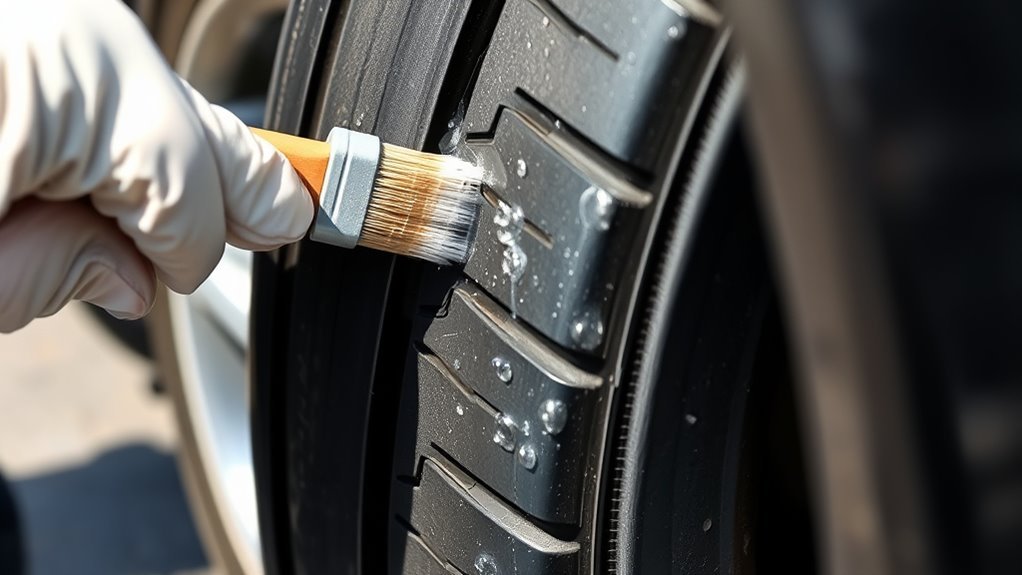
You can detect a slow leak by checking tire pressure regularly. Look for visible damage on the tire surface. Using soapy water on the tire can help spot escaping air bubbles.
Temporary fixes include tire sealant sprays and tightening valve cores. Cleaning the bead area can also help seal leaks.
For a permanent solution, patching or plugging the puncture is best. Professional repair ensures safety and durability.
How To Spot a Slow Tire Leak Early
A slow tire leak is a gradual loss of air pressure that can go unnoticed but poses safety risks. Detecting it early prevents tire damage and reduces the chance of sudden failure.
Regular tire inspections help spot slow leaks. Check the tread and sidewall for cracks, punctures, or bulges that indicate air loss. Look for signs of deflation, such as flattened areas on the tire’s surface.
Use a tire pressure gauge to monitor pressure consistently. Measure pressure when tires are cold, ideally once a week or before long trips. A slow leak causes pressure to drop incrementally over days.
Notice changes in vehicle handling or vibrations. A tire losing air unevenly may cause pulling to one side or a rougher ride.
Examine tire wear patterns. Uneven or accelerated wear on one tire can result from low pressure and slow leaks.
Summary:
- Inspect tread and sidewall for damage
- Check tire pressure weekly with a reliable gauge
- Watch for unusual vehicle vibrations or handling changes
- Look for uneven tire wear
Early detection of slow leaks allows timely repair or replacement, preventing accidents and costly damage.
Common Causes of Slow Tire Leaks and How to Identify Them
Slow tire leaks come from several common causes, including punctures, valve stem issues, rim damage, and bead leaks. Identifying the source helps guide proper repair and prevents further air loss.
Slow tire leaks often stem from punctures, valve stems, rim damage, or bead issues—finding the cause ensures effective repair.
Common causes of slow tire leaks:
- Punctures: Sharp objects such as nails or glass can embed in the tire tread, causing air to escape slowly. Check the tread carefully for any foreign objects.
- Valve stem damage: Corrosion or physical impacts can damage the valve stem, leading to gradual air loss. Inspect the valve stem for cracks, corrosion, or looseness.
- Rim or wheel damage: Bent or corroded rims can prevent the tire from sealing properly, allowing air to leak. Examine the rim for dents, rust, or deformation.
- Bead leaks: The bead is where the tire meets the rim. Dirt, debris, or corrosion at this interface can break the seal and cause leaks. Clean the bead area and inspect for damage.
- Environmental factors: Temperature changes cause air inside the tire to expand or contract, which can worsen minor leaks. Monitor tire pressure regularly during seasonal shifts.
How To Locate Slow Air Leaks in Your Tire
Locating a slow air leak in a tire involves identifying the exact spot where air escapes. Common methods include applying soapy water to the tire surface, listening for hissing sounds, and inspecting the valve stem. Detecting the leak accurately ensures proper repair.
To find slow leaks, apply a soapy water solution over the tread, sidewalls, and valve stem. Watch for bubbles, which indicate escaping air.
Listening carefully for a hissing noise can help pinpoint leaks, especially in quiet settings.
Submerging the tire in water reveals escaping bubbles but is mainly practical for unmounted tires.
Check the valve stem for cracks or loose parts since it often causes leaks.
Use these steps to locate leaks and decide on appropriate repairs.
Easy Fixes for Slow Tire Leaks at Home
A slow tire leak can often be fixed at home using simple tools and materials. Common causes include small punctures, loose valve cores, dirty valve stems, or minor bead leaks. Temporary repairs can extend tire life until professional service is available.
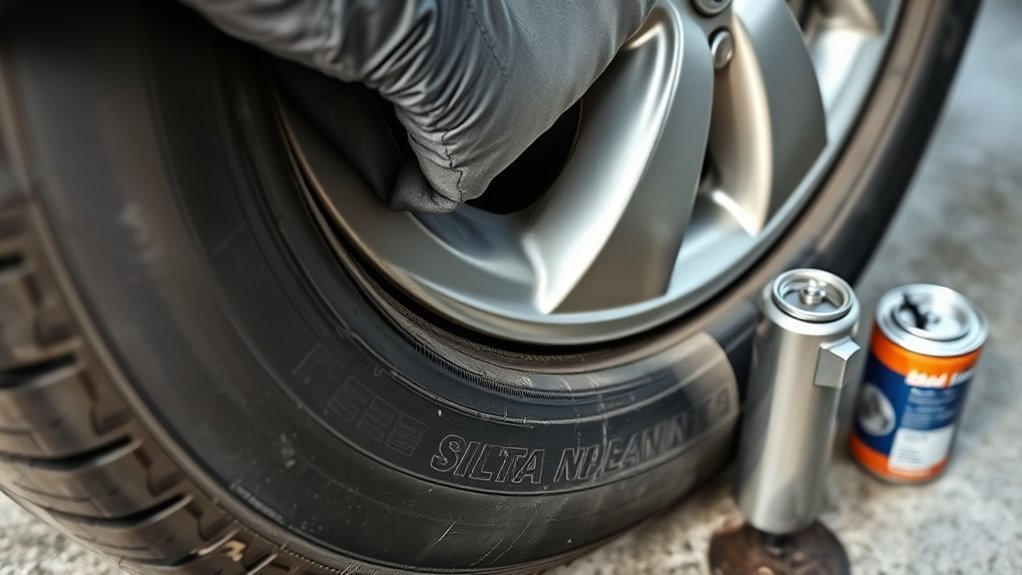
Using a tire sealant spray is a quick way to seal small punctures. The spray coats the inner tire surface as air escapes, creating a temporary seal that stops leaks from the inside.
Tire sealant spray quickly seals small punctures by coating the inner surface, stopping leaks from within.
Valve cores can cause leaks if they are loose or damaged. Tighten the valve core with a valve core tool if air escapes from the valve stem. Inspect the core for damage and replace it if necessary.
Dirt or corrosion around the valve stem base may cause air loss. Clean the valve stem area and reseat the base firmly to stop leaks caused by contamination or poor seating.
Minor bead leaks occur where the tire meets the rim. Inflate the tire and apply soapy water to the rim edge. Bubbles indicate the leak location. Clean the rim and reposition the tire to improve the seal.
Summary of common home fixes for slow tire leaks:
- Use tire sealant spray to seal small punctures inside the tire
- Tighten or replace loose valve cores with a valve core tool
- Clean and reseat the valve stem base to stop leaks from dirt or corrosion
- Detect bead leaks with soapy water and fix by cleaning or repositioning the tire
These methods provide temporary relief and help maintain tire pressure until professional repair or replacement is possible.
When To Use a Tire Plug or Patch for Slow Tire Leaks
Tire plugs offer a quick and convenient solution for small punctures located on the tread. In contrast, patches are more suitable for leaks that require a stronger, more durable repair, especially when the damage is inside the tire. Understanding the appropriate use of each method guarantees effective and safe tire maintenance.
Tire Plug Benefits
Tire plugs provide a fast, convenient way to repair small punctures in the tread area without removing the tire. They are a practical choice for addressing slow leaks caused by nails or screws, offering a temporary or medium-term fix until a full repair or replacement is possible.
1. Speed and Ease of Installation
Tire plugs can be inserted quickly. The tire does not need to be removed from the wheel, allowing drivers to resume use immediately after the repair.
2. Cost-Effectiveness
Plugs require fewer materials and less labor than patches or full tire replacement. This reduces the overall cost of repairing small punctures.
3. Temporary to Medium-Term Solution
Plugs seal punctures effectively but are not always permanent. They extend the tire’s usability until a more thorough repair or replacement can be done.
Tire plugs are best suited for quick repairs on minor leaks in the tread area, especially when speed and cost are priorities.
Patch Application Situations
Patching a tire is a durable repair method used for internal damage or larger punctures where plugs fail. It restores the tire’s structure by sealing leaks on the inner liner and areas prone to failure, such as near the sidewall or shoulder. Professional patching ensures safety and longevity by thoroughly inspecting and repairing the tire.
Tire plugs work for small external punctures but cannot seal leaks inside the tire. Damage to the inner liner requires patching because plugs do not address internal air loss.
Larger punctures or holes near the tire’s sidewall or shoulder pose higher risks. Patching these areas is crucial to prevent tire failure.
Slow leaks caused by multiple punctures or failed plug repairs also need patching. A patch provides a stronger, more reliable seal in such cases.
Professional patching involves these steps:
- Removing the tire from the rim
- Inspecting the tire’s interior and damage area
- Applying a vulcanized patch that bonds to the tire’s inner surface
- Reinstalling the tire to maintain structural integrity
This process ensures the tire remains safe and durable after repair.
Fixing Valve Stem Issues Causing Tire Leaks
Valve stems control air flow in tires and can cause slow leaks if damaged. Fixing valve stem leaks involves inspecting the stem, replacing the valve core if faulty, or replacing the entire valve stem for severe damage. Proper repair restores tire pressure and prevents air loss.
1. Inspection
Inspect the valve stem for cracks, corrosion, or physical damage. Apply soapy water around the stem and watch for bubbles. Bubbles indicate escaping air and a leak at the valve stem.
2. Valve Core Replacement
A loose or damaged valve core can cause leaks. Use a valve core removal tool to unscrew the core. Replace it with a new valve core to ensure a tight seal and stop air loss.
3. Valve Stem Replacement
Severe valve stem damage requires removing the tire from the rim. Replace the entire valve stem to secure a leak-free fit. This step restores the tire’s ability to hold air properly.
Fixing valve stem issues stops slow leaks and maintains tire pressure for safer driving and longer tire life.
When To Visit a Mechanic for Tire Leak Repairs
Valve stem repairs can fix many slow tire leaks. However, some tire problems need a mechanic’s expertise. Persistent air loss after basic fixes or damage to the tire sidewall, bead, or tread requires professional attention to ensure safety.
Tire punctures near the shoulder or large holes often need specialized tools and skills for proper repair. Mechanics can handle these complex issues more effectively than simple patch kits.
Uneven tire wear, bulges, or cracks indicate underlying problems. A mechanic’s inspection can identify the root cause and advise on repair or replacement to avoid further damage or safety risks.
Repeated alerts from a tire pressure monitoring system (TPMS) or unclear leak sources after a visual check require professional evaluation. Mechanics can diagnose hidden issues that affect vehicle performance and safety.
Summary of when to visit a mechanic for tire leaks:
- Persistent air loss after valve stem or patch repairs
- Damage to sidewall, bead, or tread areas
- Large holes or punctures near tire shoulder
- Signs of uneven wear, bulges, or cracks
- Repeated TPMS warnings or unknown leak source
Consulting a mechanic in these situations ensures proper repair, diagnosis, and maintains safe driving conditions.
Frequently Asked Questions
How Often Should I Check My Tire Pressure to Prevent Slow Leaks?
How often should I check my tire pressure to prevent slow leaks?
Check your tire pressure at least once a month and before long trips or carrying heavy loads. Regular checks help detect slow leaks early, maintain tire performance, and improve safety. Also, monitor pressure during seasonal temperature changes to ensure optimal tire condition.
Can Weather Changes Cause Slow Leaks in Car Tires?
Yes, weather changes can cause slow leaks in car tires. Cold temperatures make the air inside tires contract, lowering pressure and exposing small punctures or weak spots. Heat causes air to expand, increasing pressure and stressing the tire. These pressure fluctuations can worsen existing damage or create tiny leaks, so regular tire pressure checks are important.
Are Slow Leaks Covered by Tire Warranties?
Are slow leaks covered by tire warranties?
Slow leaks are typically not covered by tire warranties, which usually focus on manufacturing defects and premature tread wear.
Do tire warranties cover punctures or road hazards?
Most warranties exclude punctures, road hazards, and gradual air loss from aging or improper maintenance.
Can slow leaks be covered by any tire protection plans?
Some manufacturers or retailers offer separate road hazard protection plans that may cover slow leaks.
What should I do to understand my tire coverage?
Review the specific warranty terms and any additional coverage options provided at purchase.
How Do Slow Leaks Affect Fuel Efficiency?
Slow tire leaks cause underinflation, increasing rolling resistance. This makes the engine work harder, reducing fuel efficiency by up to 3%. Regularly checking and maintaining tire pressure can prevent fuel waste and save money.
What Tools Are Best for Measuring Slow Tire Leaks?
What tools are best for measuring slow tire leaks?
Digital tire pressure gauges provide accurate pressure readings over time to detect slow leaks. Soapy water solutions and tire leak detector sprays reveal escaping air bubbles visually. For advanced detection, electronic and ultrasonic leak detectors pinpoint subtle leaks precisely. Using these tools together ensures accurate identification and measurement of slow tire leaks for timely repair.