Do Car Tires Lose Air in Cold Weather? PSI Changes and Winter Inflation Tips
Car tires lose air pressure in cold weather. This happens because the air inside the tire contracts as temperatures drop. Typically, tire pressure decreases by about 1-2 PSI for every 10°F drop in temperature.
This loss in pressure is not caused by leaks. Instead, it results from the reduction in air volume inside the tire.
Proper tire inflation is important, especially in winter, to ensure safety, good handling, and better fuel efficiency.
Drivers should check their tire pressure when the tires are cold. If needed, they should reinflate the tires to the recommended PSI.
Following these tips helps maintain tire performance during cold weather and keeps driving safe.
Why Does Tire Pressure Drop in Cold Weather?
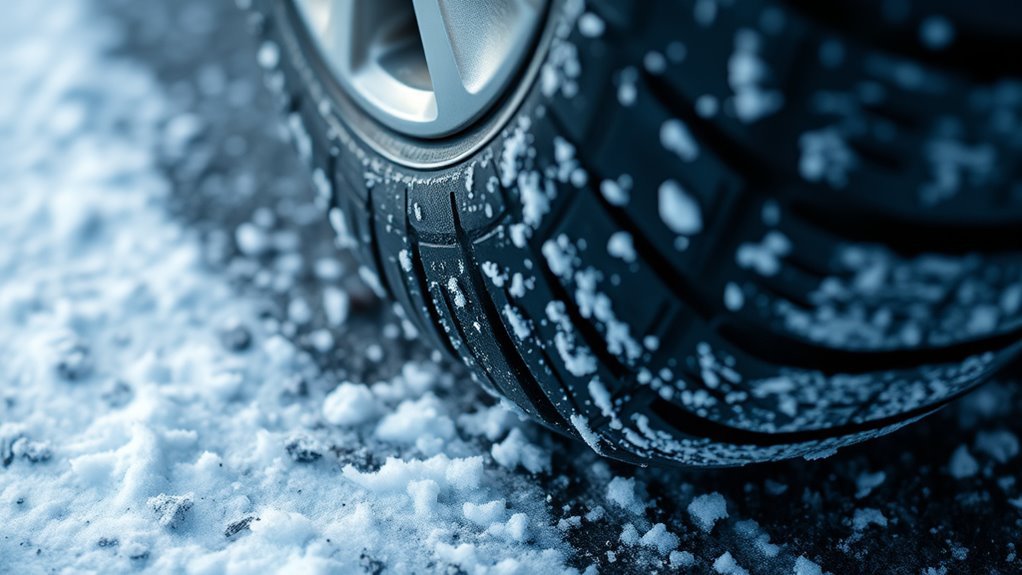
Tire pressure drops in cold weather because the air inside the tire contracts as temperatures fall. Cooler air molecules take up less space, causing lower pressure readings. This change follows gas laws linking temperature and volume in confined spaces like tires.
Air pressure inside tires decreases when temperatures drop. Gas molecules move slower and occupy less volume in cold conditions. Since the tire is sealed, less air volume means reduced pressure. Tire materials do not significantly change size with temperature, so air contraction drives the pressure drop.
Key points explaining tire pressure changes in cold weather:
- Temperature and air volume inside the tire are directly related.
- Cooler temperatures cause air molecules to compress.
- Compressed air reduces the internal pressure of the tire.
- Tire rubber and materials remain mostly stable in size.
- Pressure loss requires regular inflation checks during cold months to maintain safety and performance.
Understanding these factors helps maintain correct tire pressure year-round and supports safe driving conditions in winter.
How Cold Weather Changes Tire Pressure and Air Volume
Cold weather causes tire pressure to decrease due to the drop in temperature affecting the air inside the tire. As the air cools, its volume contracts, leading to lower pressure. This physical change directly impacts how much the tire is inflated.
Temperature Impact On PSI
Tire pressure decreases as temperature drops because cold air contracts inside the tire. For every 10°F (5.5°C) drop, pressure typically falls by 1-2 PSI. Lower tire pressure can affect handling, fuel efficiency, and tire wear.
Cold air slows gas molecules, reducing their force on tire walls. This contraction lowers the internal pressure measured by tire gauges. Tire pressure readings are usually lower in cold weather than during warm conditions.
Maintaining the recommended PSI is critical for safe vehicle performance. Check tire pressure when tires are cold, before driving. Driving heats tires and temporarily raises pressure, hiding true cold-weather effects.
Summary of temperature impact on tire pressure:
- 10°F (5.5°C) decrease → 1-2 PSI pressure drop
- Cold air contracts, reducing pressure inside tires
- Lower pressure affects handling, fuel use, and tire wear
- Measure pressure when tires are cold for accurate readings
Regular pressure checks in cold weather help maintain tire performance and safety.
Air Volume Contraction
Air contracts as temperature drops, reducing the volume of air inside a tire and lowering tire pressure. This effect happens because gas molecules slow down and take up less space in colder conditions. Tire pressure can fall by about 1 to 2 PSI for every 10°F decrease in temperature.
Gas molecules move slower in cold air. Lower kinetic energy causes molecules to occupy less space. As a result, the air volume inside the tire contracts, causing pressure to drop. The tire’s rigid structure keeps its shape and size stable, so volume changes inside the tire mainly come from air contraction.
Pressure loss from air contraction can lead to underinflated tires. Underinflation affects tire performance, safety, and fuel efficiency. Drivers should regularly check tire pressure during cold weather and adjust it to recommended levels.
Summary of key points:
- Air volume inside tires decreases when temperature drops
- Molecular movement slows, reducing kinetic energy and space occupied
- Tire pressure drops about 1–2 PSI per 10°F decrease
- Tire structure remains stable; pressure changes result from air contraction
- Regular pressure checks prevent underinflation and maintain safety
Do Tires Really Lose Tire Pressure in Cold Weather?
Tire pressure drops in cold weather because air inside the tire contracts as temperatures fall. This change is temporary and does not mean the tire is leaking. Cold air molecules move slower and take up less space, reducing the pressure inside the tire.
Air pressure inside tires depends on temperature. When the temperature decreases, the volume of air contracts, causing lower pressure. For every 10°F (about 5.5°C) drop in temperature, tire pressure decreases by approximately 1-2 PSI (pounds per square inch).
Tires do not lose air due to cold alone. A drop in pressure during winter is a physical effect, not a sign of a puncture or leak. However, low pressure can make tires appear underinflated, which affects handling and fuel efficiency.
To maintain safe driving conditions in cold weather:
- Check tire pressure regularly, especially when temperatures change.
- Inflate tires to the manufacturer’s recommended pressure.
- Use a reliable tire pressure gauge.
- Inspect tires for punctures or damage if pressure loss persists.
Monitoring tire pressure during colder months ensures optimal performance and safety without unnecessary repairs.
How to Check Tire Pressure Correctly in Winter
Checking tire pressure in winter requires measuring when the tires are cold, preferably before driving. A reliable pressure gauge guarantees accurate readings critical for safety. Adjustments should account for temperature fluctuations to maintain ideal tire performance.
Best Time To Measure
The best time to measure tire pressure in winter is when the tires are cold. Tires are cold if the vehicle has been stationary for at least three hours or driven less than one mile. Measuring cold tires ensures accurate pressure readings unaffected by heat from driving.
Cold tire pressure reflects the true inflation level. Driving heats tires and increases internal pressure, causing inaccurate readings. To get reliable results:
- Measure tire pressure early in the morning before driving.
- Avoid checking right after driving because heat raises pressure.
- Park in a shaded spot to prevent sunlight from warming tires.
- Use a flat, stable surface to keep the vehicle from rolling and to stay safe during measurement.
Following these steps maintains correct tire inflation. Proper tire pressure improves safety and vehicle performance in cold weather. Accurate timing prevents misleading pressure values caused by temperature changes.
Using A Reliable Gauge
A reliable tire pressure gauge ensures accurate readings, which is crucial for proper inflation in winter. Digital gauges provide precise measurements and ease of use. Mechanical gauges need regular calibration to maintain accuracy. Avoid cheap or worn-out gauges to prevent inconsistent results and unsafe tire pressure.
Digital gauges offer clear numerical displays and require minimal effort to read. Mechanical gauges rely on a dial and spring mechanism but can lose accuracy over time. Regular calibration or testing against a known standard helps maintain gauge reliability.
To get an accurate tire pressure reading:
- Press the gauge firmly and squarely onto the valve stem.
- Ensure no air escapes during measurement.
- Test the gauge periodically against a trusted standard.
Using a dependable gauge maintains correct tire pressure, improving safety and tire performance during cold weather.
Adjusting For Temperature
Tire pressure drops as temperatures fall, so adjusting it during winter keeps tires properly inflated. Proper tire pressure improves safety, fuel efficiency, and tire life in cold weather.
Check tire pressure when tires are cold, preferably before driving in the morning. Use a reliable tire pressure gauge for accurate readings. Compare the reading to the vehicle manufacturer’s recommended PSI, found on the door jamb or owner’s manual. Add air to reach the recommended pressure, compensating for the pressure loss caused by lower temperatures.
Regularly monitoring and adjusting tire pressure in winter maintains traction and prevents uneven tire wear, ensuring safer driving conditions.
How to Inflate Tires for Winter Driving Conditions
Proper tire inflation is crucial for winter driving safety and traction. Cold temperatures reduce tire pressure, so checking and adjusting tires when cold helps maintain the recommended PSI. Correct pressure ensures better road contact and control on ice and snow, while overinflation reduces grip and increases risk.
Proper tire inflation in cold weather ensures better traction and safer control on icy roads.
Follow these steps to inflate tires for winter:
- Locate the recommended PSI in the owner’s manual or on the driver’s side door jamb.
- Measure tire pressure when tires are cold, ideally before driving.
- Add air to reach the recommended PSI exactly.
- Avoid inflating beyond the recommended pressure to preserve tire contact with the road.
- Check tire pressure regularly throughout the winter season.
Maintaining proper tire inflation improves traction on slippery surfaces and helps prevent uneven tire wear. Regular monitoring before and during winter conditions supports consistent vehicle handling and safety.
Best Practices to Maintain Tire Pressure in Winter
Maintaining correct tire pressure during winter is essential because cold temperatures cause air inside tires to contract, lowering pressure. Regular monitoring and adjustment keep tires safe and efficient on cold roads.
Tire pressure falls about 1 PSI for every 10°F drop in temperature. Check pressure weekly using a reliable gauge. Confirm the pressure matches the vehicle manufacturer’s recommended PSI listed in the owner’s manual or on the tire placard.
Measure tire pressure only when tires are cold, preferably before driving. Heat from driving raises pressure temporarily and can give inaccurate readings.
Reinflate tires immediately if pressure drops below recommended levels. Restoring proper pressure compensates for temperature-related loss and ensures optimal tire contact with the road.
Inspect tires for slow leaks, punctures, or damage during each check. Repair or replace tires as needed to maintain steady pressure and safe performance.
Summary of winter tire pressure maintenance:
- Check pressure weekly with a quality gauge
- Measure tires cold, before driving
- Inflate to the manufacturer’s recommended PSI
- Watch for leaks or tire damage
- Adjust pressure promptly after checking
Following these steps improves traction, fuel efficiency, and tire life during winter driving. Regular care prevents pressure-related issues and maintains vehicle stability on icy or snowy roads.
What Are the Risks of Driving With Low Tire Pressure?
Low tire pressure reduces vehicle safety and performance. It causes higher rolling resistance, which lowers fuel efficiency and leads to uneven tire wear. Underinflated tires also impair handling, increase braking distances, and reduce stability, especially in cold weather. Driving long on low-pressure tires raises the risk of overheating and blowouts.
Low tire pressure affects fuel economy by increasing rolling resistance. Tires with less air require more energy to roll, which raises fuel consumption. Maintaining the recommended pressure helps optimize fuel use and reduces costs.
Handling suffers when tire pressure drops. Tires become less responsive, making steering and cornering harder. Drivers may notice sluggish vehicle reactions, which can increase the risk of accidents.
Braking performance declines with low pressure. Reduced tire-road contact means longer stopping distances. This delay can be critical in emergencies or on slippery roads.
Uneven tire wear occurs due to imbalanced pressure. Tires wear faster on edges or uneven areas, shortening their lifespan. Regular pressure checks extend tire durability.
The risk of tire blowouts rises if tires run underinflated for a long time. Low pressure causes tires to overheat from increased flexing. Overheated tires can fail suddenly, creating dangerous driving situations.
| Risk | Cause | Effect |
|---|---|---|
| Reduced Fuel Economy | Increased rolling resistance | Higher fuel consumption |
| Poor Handling | Lower tire responsiveness | Harder steering and cornering |
| Longer Braking Distances | Decreased tire-road contact | Increased stopping distance |
| Uneven Tire Wear | Pressure imbalance | Shorter tire lifespan |
| Blowout Risk | Excess heat buildup | Sudden tire failure |
When to Get Professional Help for Tire Pressure Problems
Persistent tire pressure problems usually signal an issue that requires professional attention. Drivers should seek expert help to ensure safety and avoid further tire damage when standard air refills do not resolve the problem.
Persistent tire pressure issues often mean professional inspection is needed to maintain safety and prevent damage.
Consult a tire specialist in these situations:
- Tires lose air repeatedly despite correct inflation.
- Tires show visible damage, such as punctures, cracks, or bulges.
- The tire pressure monitoring system (TPMS) warning light stays on.
- Driving causes unusual vibrations or steering difficulties.
These symptoms often indicate slow leaks, faulty valve stems, or damaged tire beads. Experts can diagnose and repair these issues accurately. Professional service preserves tire condition and vehicle performance, especially in cold weather when tire pressure fluctuates frequently.
Frequently Asked Questions
Can Tire Pressure Sensors Be Affected by Cold Weather?
Can tire pressure sensors be affected by cold weather?
Yes. Cold temperatures cause the air inside tires to contract, lowering pressure readings and triggering sensor alerts even without leaks. Extreme cold can also reduce the battery life and functionality of wireless sensors, leading to fluctuating or inaccurate readings during winter. Regular manual checks are recommended.
Does Cold Weather Affect Tire Tread Performance?
Does cold weather affect tire tread performance?
Yes, cold weather causes tire rubber to harden, reducing traction and grip.
Why does tire performance decrease in cold temperatures?
Low temperatures stiffen the rubber, limiting the tire’s ability to adapt to road surfaces.
How do winter tires improve performance in cold weather?
Winter tires use softer rubber compounds and specialized tread patterns to maintain grip and safety on icy roads.
How Does Altitude Impact Tire Pressure in Winter?
How does altitude affect tire pressure in winter?
Tire pressure decreases at higher altitudes due to lower atmospheric pressure. In winter, cold temperatures further reduce tire pressure, causing a greater drop in tire pressure at high elevations compared to sea level.
Why does tire pressure drop more in winter at high altitudes?
Cold temperatures contract the air inside tires, lowering pressure. Combined with reduced atmospheric pressure at high altitudes, this leads to a more significant pressure drop.
How often should I check tire pressure in winter at high altitudes?
Check tire pressure regularly, ideally once a month or before long trips, to ensure proper inflation and maintain safety and performance.
Are Certain Tire Brands Better for Cold Weather Inflation?
Do tire pressures drop in cold weather?
Yes, tire pressure typically decreases by about 1 PSI for every 10°F drop in temperature.
Are certain tire brands better for cold weather?
Yes, brands like Michelin and Bridgestone use specialized rubber compounds that retain air better in cold conditions.
Why do some tires perform better in winter?
They incorporate materials that resist contraction and air loss, ensuring more reliable performance and safer driving.
Do these tires require less frequent inflation?
Yes, improved air retention reduces the need for frequent pressure adjustments during cold weather.
Can Overinflating Tires in Winter Cause Damage?
Can overinflating tires in winter cause damage?
Yes, overinflating tires in winter can cause damage by reducing the tire’s contact with the road, leading to uneven wear and decreased traction on icy or snowy surfaces. It also raises the risk of blowouts due to increased internal pressure. Always follow manufacturer-recommended tire pressure for safe and optimal performance in cold weather.