How Much Does It Cost to Repair a Car? Estimate Factors and Common Price Ranges
Car repair costs vary widely. Several factors influence the total expense. These include the severity of damage, the vehicle’s make and model, and the quality of parts used.
Labor rates also impact the price. These rates differ by region and depend on the technician’s expertise. Minor repairs like cosmetic fixes may cost a few hundred dollars. More complex repairs, such as engine or structural work, can run into the thousands.
Common repairs include brake pad and battery replacements. These typically range from $100 to $700. Understanding these factors helps you estimate costs better. It also aids in managing repair expenses effectively.
Key Factors That Affect Car Repair Costs
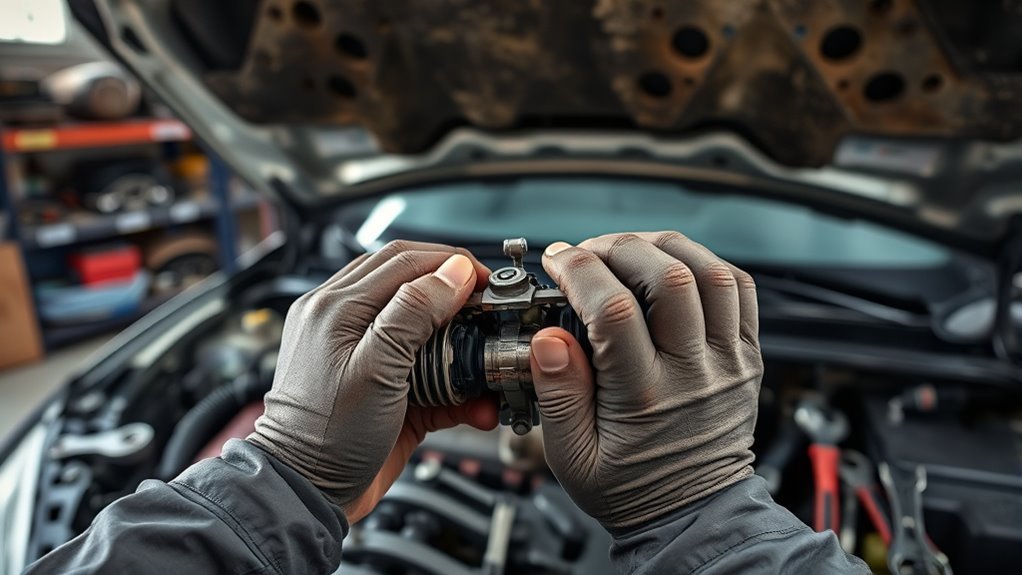
Car repair costs depend on several key factors that determine the final price. These include the damage severity, labor rates, parts quality and availability, repair complexity, seasonal demand, and warranty coverage. Each factor affects the total cost regardless of the vehicle’s make or model.
The extent of the damage or malfunction directly influences repair costs. Minor problems require less labor and fewer parts, lowering expenses. Major issues often involve extensive labor and expensive components, increasing the bill.
Labor rates differ by location and shop expertise. Urban areas and specialized technicians usually charge higher fees. Independent garages may offer lower rates compared to dealership service centers.
Parts selection impacts costs significantly. Original equipment manufacturer (OEM) parts tend to cost more than aftermarket alternatives. Availability of parts also matters; rare or imported parts can raise expenses due to shipping and sourcing delays.
Repair complexity affects pricing. Repairs involving complex systems or electronics require specialized skills and tools, which can increase labor time and cost.
Seasonal demand influences labor fees. High demand periods, such as winter or holiday seasons, may lead to higher labor charges due to shop workload and urgency.
Warranty coverage can reduce out-of-pocket expenses. Repairs covered under manufacturer or extended warranties often lower the cost for the vehicle owner.
Summary of Key Factors Affecting Car Repair Costs:
- Damage severity: Minor vs. major repairs
- Labor rates: Geographic and shop expertise variations
- Parts quality: OEM vs. aftermarket pricing
- Parts availability: Common vs. rare components
- Repair complexity: Simple fixes vs. specialized work
- Seasonal demand: Peak times may increase labor fees
- Warranty coverage: Potential cost reductions for owners
Why Your Car’s Make and Model Affect Repair Costs
The make and model of a vehicle directly impact repair costs because of differences in parts, design, and repair complexity. Luxury and imported cars often need specialized parts and services that cost more than those for common domestic vehicles. Some brands use unique technology, increasing labor time and expenses.
Parts availability affects repair prices significantly. Vehicles with common, standardized parts usually have lower repair costs. Rare or discontinued models may require custom or hard-to-find components, raising costs. Engineering and assembly methods also influence repair difficulty. Some cars need more labor-intensive work, which increases expenses.
Key factors influencing repair costs by make and model:
- Parts availability: Common models have easier access to affordable parts.
- Specialized components: Luxury or imported cars use parts that are costly and harder to source.
- Technology: Proprietary systems can extend repair time and require skilled technicians.
- Labor intensity: Complex engineering can increase hours needed for repairs.
- Model rarity: Discontinued or limited-production models may require custom parts.
Understanding these factors helps explain why repair bills vary widely between different vehicles.
How Damage Type and Severity Impact Repair Costs
Repair costs vary considerably depending on the type of damage a vehicle sustains, such as dents, scratches, or structural issues. The severity of the damage further influences the expense, with minor repairs typically costing less than major restorations. Understanding these distinctions helps clarify why repair estimates can differ widely.
Types Of Vehicle Damage
Vehicle damage type and severity directly affect repair costs. Different damage categories require varying repair methods, materials, and labor. Understanding these categories helps provide accurate cost estimates.
1. Cosmetic Damage
Cosmetic damage includes scratches, dents, and minor paint defects. Repair costs are lower because work often involves surface refinishing or panel replacement without affecting vehicle function.
2. Structural Damage
Structural damage affects the frame or chassis of a vehicle. Repairs demand specialized tools and skills. The complexity increases labor time and parts expenses, raising overall repair costs.
3. Mechanical Damage
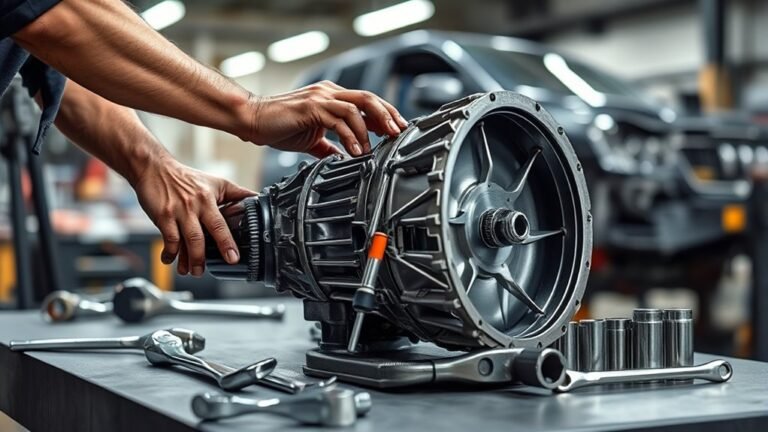
Mechanical damage impacts essential components such as the engine, transmission, or suspension. Diagnostic procedures are critical. Repairs tend to be expensive due to the technical difficulty and part replacement needs.
Each damage type requires specific repair techniques. Costs vary depending on materials, labor, and diagnostic requirements.
Severity Levels Explained
Severity levels indicate how much a vehicle is damaged and directly affect repair costs and complexity. Minor damage involves simple fixes, moderate damage requires part replacements or structural work, and severe damage demands specialized tools and extensive repairs.
Damage type determines repair needs, but severity controls cost differences. Minor damage includes small dents or scratches. These repairs use basic tools and require less labor and inexpensive parts, resulting in lower costs.
Moderate damage covers component replacements or some structural repairs. This level increases labor time and parts expenses compared to minor damage. Repairs might involve welding, panel replacement, or mechanical adjustments.
Severe damage involves frame distortion, major mechanical failures, or safety system repairs. These require specialized equipment, longer repair times, and costly parts. Repair complexity rises with multiple stages or expert technicians needed.
Summary of severity levels and their impact:
| Severity Level | Damage Examples | Repair Requirements | Cost Impact | Repair Complexity |
|---|---|---|---|---|
| Minor | Small dents, scratches | Paint touch-up, minor bodywork | Low | Simple, quick fixes |
| Moderate | Panel replacements, structural repairs | Part replacements, welding | Moderate | Moderate time, some expertise |
| Severe | Frame damage, mechanical failures | Specialized tools, multi-step repairs | High | Complex, expert technicians |
Understanding severity levels helps anticipate repair scope and costs. The same damage type can vary widely in expense depending on severity and its effect on vehicle function and safety.
Cost Variations By Damage
Damage type and severity determine the cost of vehicle repairs by influencing parts, labor, and diagnostic needs. Minor cosmetic issues cost less, while structural or mechanical damage requires more expensive parts and longer labor. Electrical problems often add diagnostic fees, increasing expenses.
Types of damage include:
- Cosmetic: Dents, scratches, paint damage.
- Structural: Frame bending, body alignment issues.
- Mechanical: Engine, transmission, suspension failures.
- Electrical: Wiring, sensors, control modules.
Severity levels affect repair scope and cost:
- Minor: Small dents or scratches, quick fixes.
- Moderate: Larger dents, some component replacement.
- Severe: Major structural or mechanical repairs.
Parts and labor requirements vary by damage:
- Parts availability: Common parts cost less; rare parts raise prices.
- Labor time: Complex repairs need more technician hours.
- Diagnostic work: Electrical or hidden damage require testing.
Accurate repair cost estimates depend on identifying damage type, severity, needed parts, and labor time.
How Labor Rates Affect Car Repair Costs
Labor rates vary considerably across different regions, influencing overall car repair expenses. The expertise of the technician can also affect the hourly charge and the quality of work performed. Additionally, methods used to estimate labor time play an essential role in determining final repair costs.
Regional Labor Rate Differences
Regional labor rates significantly affect car repair costs because wages vary by location. Local economic conditions, cost of living, and demand for services shape these rates. Urban centers usually have higher labor costs than rural areas, influencing the total repair price.
Several factors explain regional labor rate differences:
- Market Competition: Areas with many repair shops often have lower rates due to competition. Fewer providers can lead to higher prices.
- Operational Costs: High rent, utilities, and overhead in certain locations increase labor charges.
- Local Regulations and Taxes: State and municipal taxes, fees, and licensing rules cause price variations across regions.
Knowing these elements helps consumers estimate repair costs based on their area. This insight applies regardless of the vehicle type or service complexity.
Impact of Technician Expertise
Technician expertise directly affects the total cost of car repairs by influencing labor rates and repair time. Skilled technicians charge higher hourly rates but often complete work faster and with fewer errors. Less experienced technicians may charge less per hour but can increase total costs due to longer repair times and potential rework.
Labor rates vary by technician skill level:
| Technician Expertise Level | Typical Labor Rate (per hour) |
|---|---|
| Entry-Level | $50 – $70 |
| Mid-Level | $70 – $100 |
| Experienced | $100 – $130 |
| Master Technician | $130 – $160 |
Experienced technicians diagnose problems accurately, reducing diagnostic time and unnecessary repairs. Faster, correct repairs decrease labor hours and lower the chance of repeat visits. Entry-level technicians may take longer to complete tasks, increasing labor costs despite lower hourly rates.
Higher expertise also improves repair quality. Fewer mistakes and less rework reduce overall expenses beyond labor costs. The balance of hourly rate and efficiency determines the final repair cost. Choosing a technician with suitable expertise can save money in the long run.
Labor Time Estimation Methods
Labor time estimation determines the hours needed to complete automotive repairs. Accurate estimates are crucial because labor hours multiplied by labor rates set the repair cost. Several standard methods exist to calculate labor time, each with different impacts on pricing and accuracy.
Standard Labor Guides provide average repair times based on industry data. These published manuals list typical hours for specific tasks. Shops use these guides to set labor charges consistently across customers. They offer a baseline but may not reflect all vehicle variations or technician skill levels.
Flat Rate Pricing assigns fixed labor hours to common services regardless of actual time spent. This method creates predictable costs for customers and simplifies billing. However, it can lead to overcharging or undercharging if the repair is faster or slower than the flat rate estimate.
Diagnostic and Tracking Software uses historical data and real-time tracking of repair tasks. These systems analyze past repairs and monitor ongoing work to produce more precise labor time estimates. Software can adjust estimates based on vehicle condition, technician speed, and diagnostic results.
| Method | Description | Pros | Cons |
|---|---|---|---|
| Standard Labor Guides | Industry-based average repair times | Consistent, widely accepted | May not reflect individual cases |
| Flat Rate Pricing | Fixed labor hours per service | Predictable pricing | Can misrepresent actual labor time |
| Diagnostic & Tracking Software | Data-driven, real-time repair time estimation | More accurate, adaptable | Requires technology investment |
Understanding labor time estimation methods helps customers anticipate repair costs. Shops choose their approach based on accuracy needs, billing simplicity, and available tools.
Why Parts Quality and Availability Affect Repair Costs
Parts quality and availability significantly impact car repair costs by affecting both the price of components and the labor involved. Higher-quality parts usually cost more upfront but last longer. Rare parts often increase costs due to limited supply and longer wait times.
Parts quality influences repair expenses because durable components reduce the need for frequent replacements. Using low-quality parts can lead to more breakdowns and repeated repairs, increasing total costs over time. Choosing the right quality balances initial price and long-term reliability.
Parts availability affects how quickly repairs can be completed. Common parts are easier to find and usually cheaper due to competition among suppliers. Specialized or imported parts cost more and cause delays, which increase labor charges and the overall repair bill.
Summary of how parts quality and availability impact repair costs:
| Factor | Effect on Costs | Explanation |
|---|---|---|
| Parts Quality | Higher upfront cost, lower long-term cost | Durable parts last longer, reducing future repairs |
| Lower upfront cost, higher long-term cost | Cheap parts may fail sooner, requiring more repairs | |
| Parts Availability | Lower cost, faster repairs | Common parts are widely stocked and affordable |
| Higher cost, slower repairs | Rare parts need import or special orders, adding time and expense |
Both parts quality and availability determine immediate repair prices and influence ongoing maintenance expenses. Understanding these factors helps manage repair budgets effectively.
Average Price Ranges for Common Car Repairs
Car repair costs depend on the type of service and parts used. Common repairs usually fall within certain price ranges influenced by labor and parts. Knowing these averages helps car owners plan for maintenance and unexpected expenses.
Typical repair costs include:
- Brake pad replacement: $150 to $300. Costs vary by vehicle model and brake pad type.
- Battery replacement: $100 to $250. Price depends on battery brand and specifications.
- Alternator replacement: $400 to $700. Prices reflect part complexity and labor required.
Repair costs change based on location, vehicle age, and mechanic rates. Understanding these factors helps buyers compare quotes and budget accurately.
Getting Accurate Repair Estimates From Mechanics
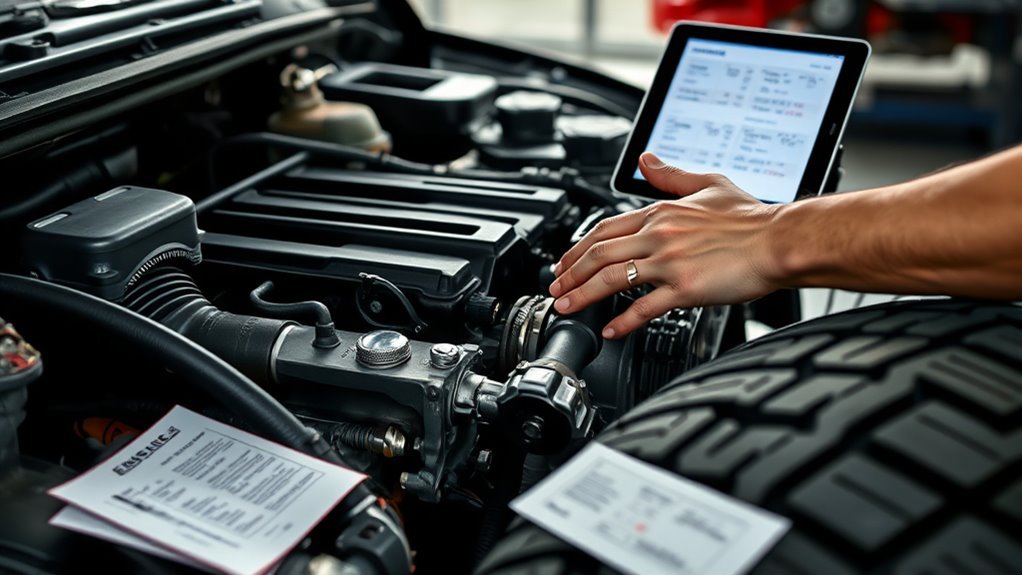
Getting an accurate repair estimate requires clear communication and detailed vehicle information. Mechanics need precise symptom descriptions and service history to diagnose correctly. Written estimates that itemize parts, labor, and fees provide transparency. Comparing several estimates helps spot pricing differences and avoid overcharging.
Mechanics rely on a clear description of the problem to identify the cause. Explain the symptoms, when they occur, and any unusual sounds or behaviors. Precise details reduce guesswork and improve estimate accuracy.
The vehicle’s maintenance and repair history give mechanics important context. Share records of recent services, parts replacements, and previous repairs. This information helps mechanics understand potential underlying issues and avoid redundant work.
Request a written estimate that breaks down costs for parts, labor, and any extra fees. Written estimates create a clear agreement and prevent hidden charges. Ask mechanics to specify brands or part quality if options exist.
Compare multiple quotes from different mechanics. Use the comparison to spot price variations and confirm fair rates. Choose an estimate that balances cost, reputation, and warranty terms.
| Step | Purpose |
|---|---|
| Describe the Issue | Identifies the problem |
| Provide Vehicle History | Adds repair context |
| Request Written Estimates | Clarifies cost breakdown |
| Compare Multiple Quotes | Ensures fair pricing |
Following these steps improves estimate accuracy and builds confidence in repair decisions.
When DIY Repairs Can Save You Money
DIY repairs can save money by cutting labor costs and letting car owners buy parts directly. Simple tasks like replacing air filters, brake pads, or lights often require basic tools and knowledge, making them suitable for many vehicle owners. However, assessing skills and risks is essential before starting repairs.
Car owners can handle some repairs themselves to reduce expenses. Common DIY repairs include:
Car owners can perform simple repairs themselves to save money and reduce overall maintenance costs.
- Replacing air or cabin filters
- Changing brake pads or windshield wipers
- Replacing headlights or taillights
These tasks need minimal tools and basic mechanical knowledge. Owners must evaluate their skills and the repair’s difficulty. Mistakes in complex repairs can cause more damage and higher costs. For complicated issues, professional mechanics offer safer and more cost-effective service.
How to Lower Car Repair Costs Without Sacrificing Quality
Car owners can lower repair costs by comparing quotes, choosing quality parts, maintaining their vehicle, and communicating clearly with mechanics. These steps help reduce expenses without sacrificing repair quality or vehicle safety.
Comparing quotes from multiple reputable repair shops ensures competitive pricing. Different shops may charge differently for labor and parts. Getting at least three estimates helps identify fair market rates and avoid overpaying.
Using manufacturer-recommended parts or high-quality aftermarket parts protects vehicle performance and durability. Avoid generic parts that may fail prematurely and cause further repairs. Quality parts may cost more upfront but save money over time.
Regular vehicle maintenance prevents major problems and reduces repair frequency. Follow the manufacturer’s maintenance schedule for oil changes, fluid checks, tire rotations, and inspections. Early detection of issues lowers repair costs.
Clear communication with mechanics helps avoid unnecessary repairs. Discuss the exact problem and ask for explanations before authorizing work. Request detailed invoices listing labor, parts, and prices to verify charges.
Taking advantage of warranties or service plans can reduce out-of-pocket expenses. Check if repairs are covered under manufacturer warranty or extended service contracts. Use these benefits to minimize repair bills.
Summary Table:
| Strategy | Benefit | Action Step |
|---|---|---|
| Compare Repair Quotes | Secure competitive pricing | Get at least three estimates |
| Use Recommended/Quality Parts | Ensure durability and performance | Choose OEM or reputable aftermarket parts |
| Follow Maintenance Schedule | Prevent major issues and frequent repairs | Perform scheduled maintenance |
| Communicate Clearly with Mechanics | Avoid unnecessary work and charges | Explain problems and request detailed invoices |
| Utilize Warranties and Service Plans | Lower out-of-pocket repair costs | Check coverage before repairs |
Applying these strategies helps maintain vehicle reliability and safety while managing repair expenses efficiently.
Frequently Asked Questions
How Often Should I Service My Car to Avoid Costly Repairs?
How often should a car be serviced to avoid costly repairs?
A car should be serviced every 5,000 to 7,500 miles or at least once a year. Regular maintenance like oil changes, brake inspections, and fluid checks helps catch issues early and extend the vehicle’s lifespan. Following the manufacturer’s service schedule is key to preventing expensive repairs and ensuring optimal performance.
Are Extended Warranties Worth It for Car Repairs?
Are extended warranties worth it for car repairs?
Extended warranties can be worth it if your car is prone to costly breakdowns or you want predictable repair expenses.
What do extended warranties cover?
They typically cover major components after the manufacturer’s warranty expires, lowering out-of-pocket repair costs.
When might extended warranties not be cost-effective?
For newer or low-maintenance cars, paying for repairs as needed is often cheaper than buying extended coverage.
What factors affect the value of an extended warranty?
The warranty’s cost, coverage details, and the vehicle’s reliability all influence its worth.
Can Car Insurance Cover All Types of Repairs?
Car insurance does not cover all types of repairs. It typically pays for accident damage, theft, or weather-related incidents under collision and comprehensive coverage. Routine maintenance and wear-and-tear repairs are excluded. Liability insurance only covers damage to others, not your vehicle. Coverage varies by policy, deductibles, and limits. Many repairs require out-of-pocket payment or extended warranties.
How Do Seasonal Changes Affect Car Repair Needs?
How do seasonal changes affect car repair needs?
Seasonal changes impact car repairs by requiring specific maintenance tasks. In cold weather, battery checks, antifreeze refills, and tire replacements improve performance and safety. Hot seasons call for air conditioning service and coolant system inspections. Transition periods increase brake and suspension wear due to road conditions like ice and potholes, leading to more frequent repairs.
What Are the Signs That Indicate Urgent Car Repairs?
What are the signs that indicate urgent car repairs?
Urgent car repairs are indicated by warning lights on the dashboard (check engine, oil pressure), unusual noises (grinding, squealing), smoke from the engine, fluid leaks, difficulty starting, loss of power while driving, and brake failure. These signs require immediate professional attention to prevent severe damage and costly repairs.