Is Car Repair Insurance Worth It? Coverage, Exclusions, Costs, and Alternatives
Car repair insurance helps cover unexpected mechanical breakdowns. It protects against costs not included in standard auto insurance or vehicle warranties. Common repairs covered include engine and transmission issues.
This insurance does not cover routine maintenance or wear-and-tear parts. It also excludes damages from accidents.
Costs depend on the vehicle type, coverage level, and location, with monthly premiums ranging from $20 to $100.
Car repair insurance suits mid-aged or high-mileage cars best. For new or very old vehicles, it may not be cost-effective.
Alternatives include extended warranties or setting aside emergency savings for repairs. Understanding these options can help you decide if this coverage fits your needs.
What Is Car Repair Insurance?
Car repair insurance covers the cost of unexpected mechanical repairs and wear-and-tear issues that standard auto insurance does not. It helps vehicle owners reduce out-of-pocket expenses by paying for parts and labor based on the policy terms.
Car repair insurance is a specialized policy designed to manage repair costs beyond typical auto insurance coverage. Standard auto insurance usually excludes mechanical failures and routine wear. Car repair insurance fills this gap by covering specific repairs that arise from breakdowns or component failures.
This insurance is not the same as a warranty. Unlike warranties, which are agreements from manufacturers or sellers to fix defects, car repair insurance assumes some financial risk and provides protection against repair costs. Coverage details vary by provider and policy.
Most car repair insurance policies require a vehicle inspection or proof of maintenance history before approval. The scope of coverage and conditions differ widely, so understanding policy terms is essential. This insurance acts as financial protection for repair expenses that exceed basic insurance or warranty limits.
Which Repairs Does Car Repair Insurance Usually Cover?
Car repair insurance typically covers common mechanical and electrical failures such as engine or transmission issues. However, certain repairs like routine maintenance or cosmetic damage are often excluded. Understanding these coverage limitations is essential for evaluating the policy’s value.
Common Covered Repairs
Repair insurance policies cover mechanical and electrical failures that commonly affect vehicles. Coverage typically includes engine parts, transmission components, electrical systems, air conditioning, and cooling systems. Each policy’s scope varies by provider and plan, affecting premiums and claim limits.
Vehicle repair insurance often includes these common components and repairs:
| Component | Common Repairs Covered | Notes |
|---|---|---|
| Engine | Timing belts, gaskets | Essential for engine function |
| Transmission | Clutch, torque converter | Repairs can be costly |
| Electrical System | Alternator, starter motor | Also covers wiring and sensors |
| Cooling System | Radiator, water pump | Prevents engine overheating |
| Air Conditioning | Compressor, condenser | Repairs maintain cabin comfort |
Understanding which repairs are covered helps assess the value of a repair insurance policy. Coverage details influence the cost and protection level offered.
Excluded Repair Types
Repair insurance policies exclude specific repair types that are not reimbursed under typical plans. Common exclusions include routine maintenance, damage from accidents, wear-and-tear parts, and issues related to aftermarket parts or neglect.
Routine maintenance services such as oil changes, brake pad replacements, tire rotations, and fluid refills are generally excluded from repair coverage. These services are considered regular upkeep rather than repair.
Damage caused by accidents, collisions, floods, or hail is excluded because these issues fall under standard auto insurance policies. Repair insurance does not cover environmental or accident-related damage.
Wear-and-tear components like batteries, belts, hoses, and tires usually are not covered. These parts naturally degrade over time and require periodic replacement, which repair insurance typically does not fund.
Modifications or repairs involving aftermarket parts may be excluded. Policies often limit coverage to original equipment manufacturer (OEM) parts or do not cover damages related to non-standard components.
Some policies exclude electrical system failures or problems caused by neglect or improper maintenance. Coverage may be voided if the vehicle owner did not follow recommended service schedules.
Summary of common exclusions in repair insurance:
- Routine maintenance (oil changes, fluid refills)
- Accident and environmental damage (collisions, floods)
- Wear-and-tear parts (batteries, belts, tires)
- Aftermarket parts modifications or repairs
- Electrical system failures in some policies
- Damage due to neglect or improper maintenance
Understanding these exclusions helps consumers know which repairs will not be reimbursed and plan accordingly.
Coverage Limitations Explained
Car repair insurance usually covers mechanical and electrical failures that result from breakdowns, excluding damage from accidents or normal wear and tear. Common covered repairs include engine problems, transmission faults, and electrical system failures. Coverage details and exclusions depend on the specific policy.
Repair insurance typically covers these repairs:
- Engine Repairs: Internal engine parts such as pistons, valves, and timing chains are often included.
- Brake System: Coverage may apply to hydraulic components but often excludes brake pads and rotors.
- Electrical System: Wiring, alternators, and other electrical components are commonly covered.
| Repair Type | Coverage Typicality | Notes |
|---|---|---|
| Engine Repairs | Commonly Covered | Includes internal engine parts |
| Brake System | Sometimes Covered | Often excludes pads and rotors |
| Electrical System | Commonly Covered | Covers wiring and alternators |
Car repair insurance policies vary. Review your policy’s terms to understand coverage limits and exclusions. Knowing these details helps assess if the insurance matches potential repair costs.
Which Repairs Are Commonly Excluded From Coverage?
Car repair insurance policies often exclude certain mechanical failures, particularly those resulting from neglect or improper maintenance. Additionally, many plans impose limits on coverage related to normal wear and tear. Cosmetic damage, such as scratches or dents, is typically not covered under these insurance agreements.
Excluded Mechanical Failures
Certain mechanical failures are excluded from car repair insurance to reduce insurer risk and focus coverage on sudden, unexpected breakdowns. Common exclusions include issues caused by poor maintenance, pre-existing conditions, intentional damage, and external events like accidents or floods.
Insurers exclude mechanical failures for these main reasons:
- Pre-existing conditions: Problems present before coverage starts are not covered.
- Lack of maintenance: Failures caused by neglect, such as engine overheating from low coolant, are excluded.
- Intentional damage: Damage resulting from misuse or deliberate acts is not covered.
- External events: Damage from accidents, floods, fires, or natural disasters is outside coverage.
Examples of excluded failures include:
- Transmission failures due to poor maintenance.
- Electrical system problems caused by aftermarket modifications.
- Engine damage from overheating caused by owner neglect.
Insurance policies emphasize covering unexpected breakdowns rather than predictable or avoidable issues. Policy terms vary, so customers should carefully review exclusions to understand which mechanical failures are not covered.
Understanding these exclusions helps consumers decide if car repair insurance fits their repair needs and risk tolerance.
Wear And Tear Limits
Wear and tear limits define which car repairs insurance excludes, focusing coverage on sudden failures rather than normal wear. These limits exclude parts that wear down gradually, such as brake pads, tires, and belts. Car repair insurance covers unexpected mechanical or electronic breakdowns, not routine maintenance or aging components.
Car repair insurance excludes repairs for parts that deteriorate through regular use. Common exclusions include:
- Brake pads
- Tires
- Clutch plates
- Belts and hoses
Insurers expect these parts to be replaced during scheduled maintenance. Repairs for predictable replacements like spark plugs and filters are also excluded.
Excluding wear and tear repairs helps insurers control policy costs and prevents claims for expected maintenance. Coverage mainly applies to sudden malfunctions or failures in mechanical or electronic systems.
Understanding wear and tear limits helps consumers assess what car repair insurance covers and avoid surprises when filing claims.
Cosmetic Damage Restrictions
Cosmetic damage in car repair insurance refers to surface-level flaws like scratches, dents, and paint chips that do not impact vehicle safety or operation. Most policies exclude coverage for these issues, focusing instead on structural or mechanical repairs.
Many car insurance policies exclude cosmetic damage repairs caused by gradual wear or minor impacts. Commonly excluded damages include:
- Small scratches and dents
- Paint chips and fading
- Surface blemishes that do not affect function
- Environmental damage from bird droppings or tree sap
Insurers classify cosmetic damage as maintenance, not essential repairs. Coverage typically targets problems that affect vehicle safety or mechanical performance.
Consumers should review their insurance policies carefully to identify specific cosmetic damage exclusions. Cosmetic repairs can be costly and often require separate coverage or out-of-pocket payment.
Summary of common cosmetic damage exclusions:
| Damage Type | Coverage Status | Reason for Exclusion |
|---|---|---|
| Minor scratches and dents | Usually excluded | Considered cosmetic, non-functional |
| Paint chips and fading | Usually excluded | Maintenance, not repair |
| Environmental damage | Often excluded | Caused by natural elements |
| Structural/mechanical issues | Typically covered | Affect safety and operation |
Understanding these restrictions helps buyers align expectations with actual insurance coverage.
How Much Does Car Repair Insurance Typically Cost?
Car repair insurance costs vary based on the vehicle, coverage, deductible, and location. Monthly premiums typically range from $20 to $100. Understanding these factors helps consumers choose appropriate coverage and budget for expenses.
Vehicle age and condition affect premiums. Newer and luxury cars cost more to repair, leading to higher insurance rates. Older or standard models usually have lower premiums.
Coverage type influences price. Basic plans cover major repairs only and cost less. Plans that include wear and tear or more extensive repairs increase premiums.
Deductible amount impacts monthly costs. Higher deductibles lower premiums but raise the amount paid when filing a claim. Lower deductibles increase monthly payments but reduce out-of-pocket expenses during repairs.
Geographical location plays a role in pricing. Regions with higher labor and parts costs or more frequent accidents tend to have higher insurance premiums.
Summary of factors affecting car repair insurance cost:
| Factor | Effect on Cost |
|---|---|
| Vehicle Age/Condition | Newer/luxury cars increase premiums |
| Coverage Type | Extensive coverage raises premiums |
| Deductible Amount | Higher deductible lowers premiums |
| Location | High-cost regions increase premiums |
Is Car Repair Insurance Worth It? When to Invest
Determining the value of car repair insurance involves evaluating the potential costs of repairs against the insurance premiums. Factors such as the vehicle’s age and condition play a significant role in this evaluation. Additionally, driving habits influence the likelihood of needing repairs and should be considered when deciding whether to invest.
Assessing Repair Cost Risks
Evaluating the risk of car repair costs helps decide if repair insurance is worth buying. Understanding repair frequency, cost severity, coverage limits, and personal finances clarifies whether insurance saves money or adds unnecessary expense.
Repair frequency depends on the vehicle’s make and model reliability. Some brands have higher rates of mechanical issues and require more frequent repairs. Checking reliability ratings and owner reviews reveals typical repair intervals and common problems.
Cost severity measures average and maximum repair expenses. Luxury or imported vehicles often have higher labor and parts costs. Knowing typical failure costs helps predict if insurance covers expensive repairs or only minor fixes.
Coverage gaps show which repairs the insurance excludes or limits. Policies may not cover routine maintenance, wear-and-tear, or specific parts like tires and batteries. Reading the policy details identifies what repairs require out-of-pocket payment.
Financial resilience means the owner’s ability to handle repair bills without hardship. A person with emergency savings might skip insurance, while someone with limited cash flow may benefit from predictable monthly payments.
Summary table for assessing repair cost risks:
| Factor | Key Questions | Impact on Insurance Decision |
|---|---|---|
| Repair Frequency | How often repairs occur for the model? | Frequent repairs increase insurance value. |
| Cost Severity | What are typical and max repair costs? | High costs justify insurance protection. |
| Coverage Gaps | What repairs are excluded or limited? | Extensive gaps reduce insurance usefulness. |
| Financial Resilience | Can owner afford repair bills? | Low resilience favors buying insurance. |
Evaluating Vehicle Age
Repair insurance becomes worthwhile when a vehicle is past its manufacturer warranty but still holds enough value to justify repair costs. Mid-aged cars often benefit most from repair insurance because their repair expenses are uncertain but can be significant. Very old cars with low value may not be cost-effective to insure.
Cars older than the warranty period face higher risks of mechanical failure. Repair insurance helps cover unexpected expenses that might otherwise be costly. Owners can avoid large out-of-pocket repair bills by investing in insurance during this period.
For older cars with low market value, repair costs may approach or exceed the vehicle’s worth. In such cases, paying for repair insurance may not be financially sensible. Owners should weigh the cost of insurance against the potential repair bills and resale value.
New vehicles often have active manufacturer warranties or lower chances of failure. Repair insurance is less necessary for these cars. Instead, owners can rely on warranty coverage and routine maintenance during the early years.
Summary of when repair insurance makes sense:
- Mid-aged cars: High repair risk, no warranty, sufficient value
- New cars: Low repair risk, warranty coverage, lower need
- Old cars: High repair risk, low value, insurance may not pay off
Evaluating repair insurance involves comparing potential repair costs with the vehicle’s current market value and warranty status. This balance helps determine if the insurance premium is a worthwhile investment.
Considering Driving Habits
Driving habits directly affect the value of vehicle repair insurance. Frequent driving, especially in tough conditions, increases wear and repair costs, making insurance more beneficial. Less frequent or mostly city driving with limited stress may lower the need for such coverage.
High annual mileage increases the likelihood of repairs. Drivers who cover many miles yearly expose their vehicles to more mechanical stress and potential damage.
Driving environment impacts vehicle wear. Urban settings often involve stop-and-go traffic, which stresses brakes and transmissions. Rural or off-road driving can cause additional damage due to rough terrain.
Weather conditions also affect repair needs. Exposure to extreme heat, cold, snow, or rain can accelerate wear on key components like tires, brakes, and engines.
Long-distance or highway travel influences maintenance frequency. Constant high-speed driving may cause faster engine wear but generally reduces stop-and-go strain.
Key factors to evaluate include:
- Average miles driven annually
- Typical driving environment (urban, rural, off-road)
- Exposure to extreme weather (heat, cold, precipitation)
- Frequency of long-distance or highway travel
Understanding these factors helps determine the appropriate level of repair insurance coverage.
Car Repair Insurance Vs. Standard Auto Insurance
Car repair insurance covers mechanical breakdowns and routine maintenance repairs that standard auto insurance excludes. Standard auto insurance protects against accident-related damages, theft, and liability but does not cover wear-and-tear or internal vehicle failures.
Standard auto insurance includes liability, collision, and comprehensive coverage. Liability covers injuries and property damage you cause to others. Collision pays for repairs after accidents involving your vehicle. Comprehensive covers non-collision incidents like theft, vandalism, or natural disasters. These policies exclude mechanical failures and routine maintenance.
Car repair insurance acts like an extended warranty. It covers repair costs from mechanical breakdowns, such as engine or transmission failures, that occur due to wear or age. This insurance helps avoid large out-of-pocket expenses for repairs not related to accidents or external damage.
Key differences between car repair insurance and standard auto insurance:
| Feature | Standard Auto Insurance | Car Repair Insurance |
|---|---|---|
| Coverage focus | Liability, collision, comprehensive | Mechanical breakdown, wear and tear |
| Covers accident damage | Yes | No |
| Covers non-accident repairs | No | Yes |
| Legal liability coverage | Yes | No |
| Acts as warranty | No | Yes |
Consumers should evaluate coverage overlap, exclusions, and premiums before purchasing car repair insurance. This insurance supplements but does not replace standard auto insurance. Understanding these differences ensures appropriate protection for both accident risks and mechanical repairs.
Top Alternatives to Car Repair Insurance
Managing unexpected vehicle repair costs can be done without car repair insurance. Several alternatives offer financial protection or reduce repair expenses through different means.
1. Emergency Savings Fund
An emergency savings fund is money set aside specifically for unexpected expenses like vehicle repairs. This fund allows you to pay for repairs directly, avoiding insurance premiums and policy restrictions. Building a savings buffer gives flexibility and control over repair decisions.
2. Extended Warranties
Extended warranties cover certain repairs beyond the standard manufacturer warranty. These plans are sold by manufacturers or third parties and typically last for a defined period or mileage. They provide predictable costs for covered repairs but usually exclude wear-and-tear items.
3. Vehicle Service Contracts
Vehicle service contracts resemble extended warranties but often allow customization. These contracts cover selected repairs for a set term and may include roadside assistance or other perks. They help spread repair costs over time but require paying contract fees upfront.
4. Regular Maintenance
Routine maintenance includes oil changes, tire rotations, and inspections. Performing regular maintenance lowers the risk of major breakdowns and costly repairs. Following the manufacturer’s recommended service schedule can extend vehicle life and reduce repair frequency.
| Alternative | Key Benefit | Limitation |
|---|---|---|
| Emergency Savings Fund | Full control of funds | Requires discipline to save |
| Extended Warranties | Predictable repair costs | Limited coverage scope |
| Vehicle Service Contracts | Customizable coverage | Upfront contract costs |
| Regular Maintenance | Prevents major repairs | Does not cover unexpected failures |
Each option offers different ways to manage repair expenses without relying on car repair insurance. Combining approaches can improve financial readiness for vehicle repairs.
Is Car Repair Insurance Right for Your Budget?
Car repair insurance helps cover costs of unexpected vehicle repairs. It requires paying monthly premiums and deductibles. Whether it fits your budget depends on your vehicle’s age, savings, and risk tolerance.
Monthly premiums create predictable costs but increase fixed expenses. Deductibles limit surprise expenses but must be affordable upfront. Older vehicles often need more coverage, while new cars may have warranties that reduce repair costs. Emergency savings can cover repairs without insurance.
| Factor | Benefit | Consideration |
|---|---|---|
| Monthly Premium | Predictable monthly cost | Increases fixed expenses |
| Deductible | Caps out-of-pocket repair costs | Requires upfront payment |
| Vehicle Age/Reliability | Higher repair risk for older cars | New cars often have warranties |
| Emergency Savings | Funds unexpected repairs directly | May reduce insurance need |
Review your vehicle’s condition and financial situation before choosing repair insurance. If you have limited savings or an older car, insurance may protect your budget. If you have a newer vehicle and emergency funds, paying repairs yourself could be cheaper.
Tips for Finding Reliable and Affordable Car Repair Insurance
Selecting reliable and affordable car repair insurance means finding a policy that covers necessary repairs without draining your budget. Key factors include coverage details, cost balance, provider trustworthiness, and clear contract terms.
1. Coverage Scope
Car repair insurance covers specific parts and repairs. Confirm which repairs and parts the policy includes. Check for exclusions like wear-and-tear or routine maintenance. Understanding coverage limits helps avoid surprise costs.
2. Premiums and Deductibles
Premiums are regular payments for coverage. Deductibles are amounts paid out of pocket before insurance applies. Compare plans by balancing lower premiums with higher deductibles or vice versa. Select a combination that suits your financial situation.
3. Provider Reputation
Insurance companies vary in service quality and claim handling. Research customer reviews and independent ratings. Look for timely claim processing and fair settlements. Reliable providers reduce stress during repairs.
4. Contract Terms
Insurance contracts state the coverage period and cancellation rules. Review these terms carefully. Understand refund policies and renewal conditions. Clear contract terms prevent unexpected policy lapses or fees.
What Questions to Ask Before Buying Car Repair Insurance?
Car repair insurance covers specific vehicle repairs, but coverage varies by policy. Before buying, ask about covered repairs, exclusions, costs, claims procedures, and provider terms to ensure the policy meets your needs and budget.
Coverage Details
Ask which repairs and parts the policy covers. Confirm if there are any exclusions, such as wear-and-tear items or certain components. Check if coverage limits or caps apply to specific repairs or total claims.
Costs and Payments
Understand the deductible amount you must pay before insurance applies. Clarify monthly or annual premium costs. Ask if there are maximum payout limits per claim or per policy term.
Claims Process
Inquire about how to file a claim and what documentation is required. Ask how long approval and payment typically take. Confirm if you must get pre-authorization before repairs.
Repair Locations
Find out if you must use approved garages or if any certified mechanic is acceptable. Check if the insurer imposes restrictions on repair shops.
Provider Reliability and Terms
Research the insurer’s reputation and customer service availability. Ask about policy cancellation terms, refund policies, and renewal conditions.
Summary of Questions to Ask Before Buying Car Repair Insurance
- What repairs and parts are covered?
- Are there exclusions or coverage limits?
- What is the deductible amount?
- How much are premiums?
- Are there maximum payout caps?
- How do I file a claim?
- What documentation is needed?
- How long does claim approval take?
- Must repairs be done at approved garages?
- What is the insurer’s reputation?
- What are the cancellation and renewal terms?
Asking these questions helps buyers select a car repair insurance policy that fits their vehicle type, repair needs, and financial situation.
Frequently Asked Questions
How Do Claim Processes for Car Repair Insurance Work?
How does the claim process work after a transmission failure?
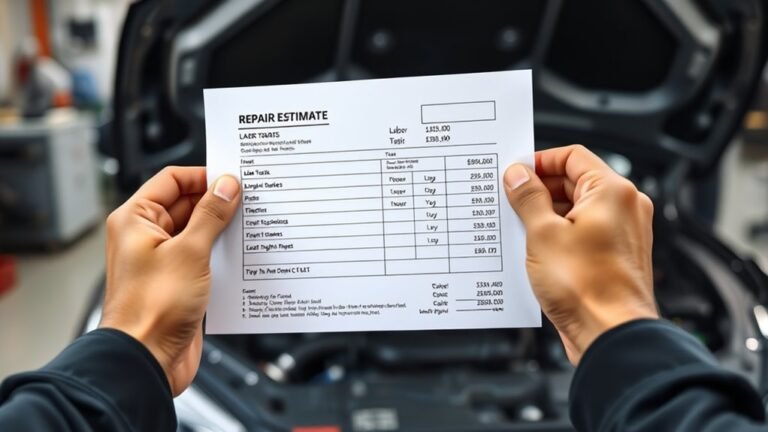
A driver starts by notifying the insurer and submitting repair estimates and proof of the issue. The insurer reviews the claim, often requiring an inspection or mechanic’s report. Approval or denial depends on policy terms. The process can take days to weeks, with payment sent directly to the repair shop or reimbursed after repairs are completed.
Can Car Repair Insurance Be Transferred to a New Owner?
Can car repair insurance be transferred to a new owner?
Car repair insurance is usually non-transferable, as it is linked to the original owner. Some insurers may allow transfer if the vehicle is sold privately and the new owner meets certain criteria. Always check the policy terms or contact the provider. If transfer isn’t allowed, the new owner must buy a new policy.
Are There Mileage Limits in Car Repair Insurance Policies?
Mileage limits in car repair insurance policies set a maximum distance, usually between 75,000 and 125,000 miles per year, after which coverage may end. These limits help insurers manage risk. Exceeding the mileage cap can void your coverage, so always check your policy terms to avoid unexpected repair costs.
How Does Car Repair Insurance Impact a Vehicle’s Resale Value?
Car repair insurance usually has little direct impact on a vehicle’s resale value. It does not change the visible condition or maintenance history, so buyers rarely consider it in price negotiations. However, documented repairs covered by insurance can reassure buyers about the vehicle’s upkeep. On the other hand, frequent insurance claims might indicate underlying issues, which could lower the perceived value.
What Are the Common Customer Complaints About Car Repair Insurance?
Common complaints about car repair insurance include denied claims due to coverage exclusions, high deductibles, and limited repair shop options. Customers often face long claim processing times and unclear policy terms. Many feel the premium costs outweigh the benefits, leading to dissatisfaction. Poor customer service and confusion about covered damages are also frequent issues.