How to Repair a Car AC Leak: Leak Detection, Refrigerant Rules, and Repair Options
Car AC leak repair starts with spotting early signs. Weak cooling or oily spots often indicate a leak. Detecting the exact leak location is crucial for effective repair.
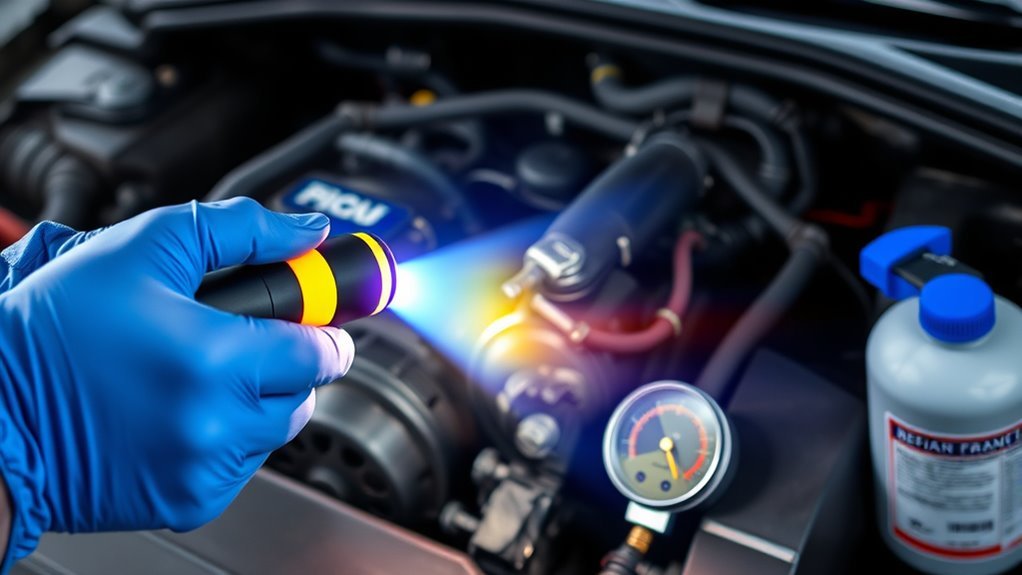
Use tools like UV dye, electronic detectors, or pressure gauges to find leaks. These methods help pinpoint small or hidden leaks quickly. Accurate detection saves time and money.
Handling refrigerants requires certified professionals. Legal rules forbid releasing refrigerants into the air.
While sealants can stop minor leaks temporarily, expert repairs ensure lasting solutions. Proper maintenance keeps your AC running efficiently.
How To Spot Early Signs Of A Car AC Leak
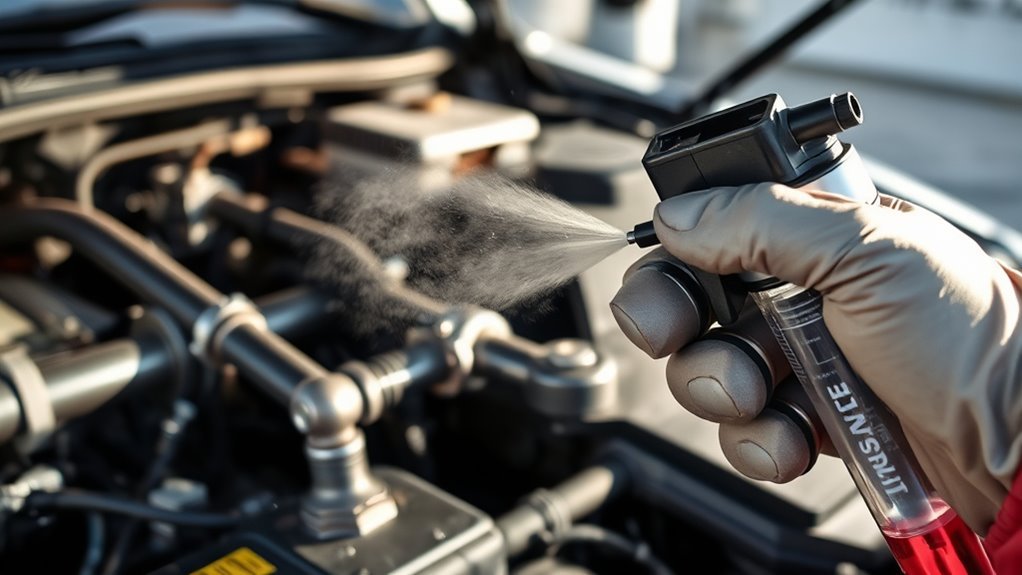
A car AC leak reduces cooling efficiency and causes refrigerant loss. Early signs include weaker cold air, oily residue near components, unusual noises, distinct odors, and frequent system recharges. Spotting these signs early helps prevent further damage and costly repairs.
Reduced cooling performance is the first sign of an AC leak. The air conditioner may fail to blow consistently cold air, making the cabin warmer than usual. This happens because the refrigerant level drops, weakening the cooling cycle.
Oily residue around AC parts can indicate a leak. Refrigerant carries oil for lubrication, which escapes at leak points and leaves visible traces on hoses, fittings, or the compressor.
Unusual sounds like hissing or bubbling during AC operation often mean refrigerant is escaping. These noises help locate the source of the leak.
A sweet or chemical odor inside the vehicle signals leaking refrigerant. The smell can be faint or noticeable depending on the leak size.
Frequent AC recharges suggest refrigerant loss. If the system needs refilling more often than recommended, a leak is likely present.
Summary of Early Signs of a Car AC Leak:
- Weak or inconsistent cold air
- Oily residue on AC components
- Hissing or bubbling sounds during operation
- Sweet or chemical odors inside the car
- Need to recharge AC frequently
Recognizing these symptoms early allows for timely repairs and avoids damage to the AC system.
How To Detect Car AC Refrigerant Leaks Step-by-Step
Detecting car AC refrigerant leaks involves identifying refrigerant loss points to maintain cooling efficiency and prevent system damage. The process includes visual checks, electronic detection, dye testing, and pressure measurement to locate leaks accurately.
Start with a visual inspection. Examine AC components like hoses, compressor, and condenser for oily stains. Oily residue often indicates a slow refrigerant leak where oil escapes with the refrigerant.
Next, use an electronic leak detector. This handheld tool senses refrigerant gas concentrations in the air. Move the sensor probe along AC lines and fittings to detect leaks too small to see.
A UV dye test complements electronic detection. Inject a fluorescent dye into the AC system and run it briefly. Use a UV light to spot glowing dye where refrigerant escapes.
Check refrigerant pressure with a gauge set. Connect the gauges to the low and high service ports to measure system pressure. Low pressure compared to specifications confirms refrigerant loss.
Finally, confirm the leak source and size. Use combined test results to pinpoint leak locations. Repair leaks promptly to avoid compressor damage and poor cooling performance.
| Step | Method |
|---|---|
| 1. Visual Inspection | Check for oily stains |
| 2. Electronic Detection | Scan with leak detector |
| 3. UV Dye Test | Inject dye, inspect with UV |
| 4. Pressure Check | Measure refrigerant pressure |
| 5. Leak Confirmation | Verify location and severity |
Essential Legal Rules For Handling Car AC Refrigerants
Handling car AC refrigerants requires strict adherence to EPA regulations designed to prevent environmental harm. Technicians must obtain proper certification before working with these substances to guarantee compliance and safety. Understanding these legal requirements is essential for anyone repairing or servicing automotive air conditioning systems.
EPA Compliance Requirements
The EPA enforces strict rules on managing automotive air conditioning refrigerants to protect the environment. These rules require proper recovery, recycling, and disposal to prevent ozone layer damage and reduce greenhouse gas emissions.
The Environmental Protection Agency (EPA) mandates that technicians use EPA-approved equipment to capture refrigerants during servicing or repairs. Venting refrigerants into the atmosphere is prohibited under Section 608 of the Clean Air Act. This prevents harmful emissions that contribute to ozone depletion and climate change.
Technicians must keep accurate records of refrigerant amounts added or removed from vehicles. This documentation ensures accountability and helps track compliance. Proper leak detection and repair are also required to avoid unintentional releases.
Failure to comply with EPA regulations can lead to significant fines and penalties. These rules ensure safe, legal handling of automotive refrigerants and support environmental protection efforts.
Summary of key EPA requirements:
- Use EPA-approved recovery and recycling equipment
- Prohibit venting refrigerants into the atmosphere
- Maintain detailed records of refrigerant use
- Address leaks promptly and responsibly
- Follow disposal protocols to prevent environmental harm
Understanding and following these EPA rules is essential for automotive technicians and shops working with AC refrigerants.
Certification For Refrigerant Handling
Accreditation is essential for technicians working with automotive air conditioning systems because it ensures they handle refrigerants safely and legally. Proper accreditation helps protect the environment and enforces compliance with federal regulations.
The Environmental Protection Agency (EPA) requires technicians to complete approved training and pass exams. This process confirms their knowledge of refrigerant recovery, recycling, and disposal methods. Accredited technicians help prevent illegal refrigerant release, which harms the ozone layer and contributes to global warming.
Key aspects of refrigerant handling accreditation include:
| Accreditation Aspect | Description |
|---|---|
| Requirement | Mandatory for anyone handling refrigerants |
| Validity Period | Usually valid for several years |
| Authorized Activities | Recovery, recycling, and reclaiming refrigerants |
| Regulatory Body | Environmental Protection Agency (EPA) |
Following accreditation rules protects technicians and the environment. It also ensures legal compliance during automotive air conditioning service and repair.
DIY Fixes For Common Car AC Leak Problems
Common car AC leaks can often be addressed by accurately identifying the leak locations before applying any repairs. Proper use of sealants is vital to avoid further damage or contamination. Additionally, recharging the refrigerant must be done with care to restore system functionality safely.
Identifying Leak Locations
Identifying the source of an air conditioning system leak is essential for effective repair and maintaining system efficiency. Leaks commonly occur at hoses, connections, and the compressor. Detecting leaks requires visual checks, sound detection, and specialized tools like UV dyes and electronic leak detectors.
Locating leaks involves these key steps:
- Visual inspection looks for cracks or damage on hoses.
- Listening for hissing sounds can reveal escaping refrigerant.
- Using UV dye and a dye lamp highlights leaks at connections.
- Electronic leak detectors sense refrigerant escaping from compressors.
| Leak Location | Detection Method | Repair Approach |
|---|---|---|
| Hoses | Visual inspection | Replace or tighten |
| Connections | UV dye and dye lamp | Seal or replace seals |
| Compressor | Electronic leak detector | Professional assessment |
Hoses often crack or loosen, causing leaks that require tightening or replacement. Connections may degrade seals and need resealing or new seals. Compressors can leak internally, needing expert evaluation.
Accurate leak detection prevents repeated refrigerant loss and supports the air conditioning system’s reliable operation.
Using Sealants Safely
Sealants can temporarily fix minor leaks in car air conditioning systems if applied correctly. Proper use prevents damage and blockage. Sealants are not a permanent fix but help maintain system function until professional repair is possible.
Use a sealant compatible with the vehicle’s refrigerant and oil type. Incompatible sealants can harm the system or fail to seal leaks.
Clean the leak area thoroughly before applying sealant. Dirt and debris reduce sealant effectiveness and can cause clogs.
Follow the manufacturer’s instructions carefully for the amount and method of applying the sealant. Overuse can block orifice tubes and expansion valves, leading to system failure.
Use sealants only as a temporary measure. Schedule professional repairs to ensure long-term system health and avoid further damage.
Recharging Refrigerant Properly
Recharging refrigerant restores AC cooling but requires precise steps to avoid damage. Leak inspection and repair must precede refilling to prevent recurring issues. Use correct tools and refrigerant type to ensure accuracy and system safety.
Before recharging, inspect the AC system for leaks. Leak repair stops refrigerant loss and maintains system efficiency. Refilling without fixing leaks results in repeated recharging and possible compressor damage.
Proper tools include a manifold gauge set and refrigerant scale. The manifold gauge measures pressure accurately. The refrigerant scale ensures the exact amount of refrigerant is added, preventing overcharging or undercharging.
Use the refrigerant type specified by the vehicle manufacturer. Different systems require specific refrigerants; incorrect types can harm components or reduce performance.
During recharging, run the engine and set the AC to maximum cooling. This allows proper refrigerant circulation and accurate pressure readings. Monitoring pressure helps maintain ideal refrigerant levels.
Follow safety protocols when handling refrigerants. Wear protective gear, work in well-ventilated areas, and avoid direct contact with refrigerants. Proper handling prevents injury and environmental damage.
When To Choose Professional Car AC Leak Repairs
Professional car AC leak repairs are necessary when leaks are hard to locate, involve internal components, or require handling regulated refrigerants. Certified technicians ensure accurate diagnosis, legal compliance, and proper repair with specialized tools and knowledge.
Car AC systems contain complex parts and refrigerants that demand expert handling. Leaks inside sealed or inaccessible components need professional service. Certified technicians follow environmental laws for refrigerant handling. Complex issues like compressor or condenser damage require specialized tools and expertise beyond DIY methods.
Choose professional repairs if:
- Leaks persist after attempted fixes
- Leaks occur in sealed or hard-to-reach parts
- Refrigerants subject to legal regulations are involved
- Compressor or condenser shows damage signs
- System underperforms after refrigerant recharge
Professional service guarantees safety, regulatory compliance, and restores efficient cooling in your vehicle’s AC system.
Maintenance Tips To Prevent Car AC Leaks And Boost Efficiency
Regular maintenance prevents car AC leaks and keeps the system efficient. Inspections catch wear or damage early, avoiding expensive repairs. Cleaning and lubricating parts reduce stress on seals and hoses to prevent leaks. Checking refrigerant levels maintains cooling power. Replacing cabin air filters improves airflow and reduces system strain.
Routine maintenance tasks and their purposes:
| Maintenance Action | Purpose | Recommended Frequency |
|---|---|---|
| Inspect hoses & seals | Find cracks or leaks | Every 6 months |
| Clean condenser | Remove dirt and debris | Annually |
| Check refrigerant level | Ensure enough coolant | Twice a year |
| Replace air filter | Keep airflow steady | Every 12,000 miles |
| Lubricate compressor | Protect moving parts | Annually |
Inspect hoses and seals to detect early wear that can cause leaks. Dirt and debris on the condenser block airflow, so cleaning it yearly keeps the system efficient. Refrigerant levels drop over time; checking twice yearly ensures adequate cooling. Cabin air filters trap dust and debris; replacing them maintains smooth airflow and reduces pressure on the AC system. Lubricating the compressor protects its moving parts from wear, extending its lifespan.
Following the manufacturer’s recommended service schedule helps maintain the AC system’s integrity and performance. Regular attention to these tasks reduces breakdown risk and keeps your car cool.
Frequently Asked Questions
What Types of Refrigerants Are Safe for Older Car Models?
What types of refrigerants are safe for older car models?
Older cars originally use R-12 refrigerant, which is now phased out. The safe alternative is R-134a, compatible after proper retrofitting. Newer refrigerants like R-1234yf are generally not recommended without significant modifications. Always consult manufacturer guidelines or a professional before changing refrigerants.
How Does a Car AC Leak Affect Fuel Efficiency?
A car AC leak reduces fuel efficiency by forcing the system to work harder with less refrigerant. This increases compressor load, leading to higher engine power use and more fuel consumption. Leaks also cause the AC to cycle frequently or run inefficiently, further lowering miles per gallon and overall performance.
Can a Car AC Leak Cause Engine Overheating?
Can a car AC leak cause engine overheating?
A car AC leak does not directly cause engine overheating. However, a significant refrigerant loss can make the AC compressor work harder, slightly raising engine temperature. If the leak affects cooling system components or introduces debris, it may indirectly contribute to overheating. Engine overheating is usually caused by other cooling system issues, not an AC refrigerant leak.
What Tools Are Required for Professional AC Leak Repair?
What tools are required for professional AC leak repair?
Professional AC leak repair requires a UV light and UV dye to detect leaks, a manifold gauge set to read system pressure, and a refrigerant recovery machine to handle refrigerants safely. Additionally, an electronic leak detector helps locate leaks, and a vacuum pump prepares the system for repair.
How Often Should AC System Pressure Be Checked?
AC system pressure should be checked at least once a year during regular maintenance or if cooling performance drops. Older vehicles and those in extreme conditions require more frequent checks. Regular pressure monitoring helps detect leaks and refrigerant loss early, maintaining system efficiency and preventing costly repairs. Professional tools ensure accurate pressure measurement.