How Much Does an Oil Leak Cost to Repair? Price by Gasket, Seal, and Leak Location
Oil leaks in vehicles are common and can vary in severity. Repair costs depend on where the leak is and which gasket or seal is affected. Knowing these details helps car owners prepare for potential expenses.
Typically, fixing an oil leak costs between $150 and $1,200. Simple repairs like replacing the valve cover gasket usually fall between $200 and $600. Oil pan gasket repairs tend to be less expensive, ranging from $150 to $450.
More complicated jobs, such as replacing the rear main seal, are pricier. These repairs can cost from $500 up to $1,200 because they require more labor. The total cost depends on labor time and the quality of parts used.
Understanding this helps set realistic expectations.
Key Factors Influencing Oil Leak Repair Costs
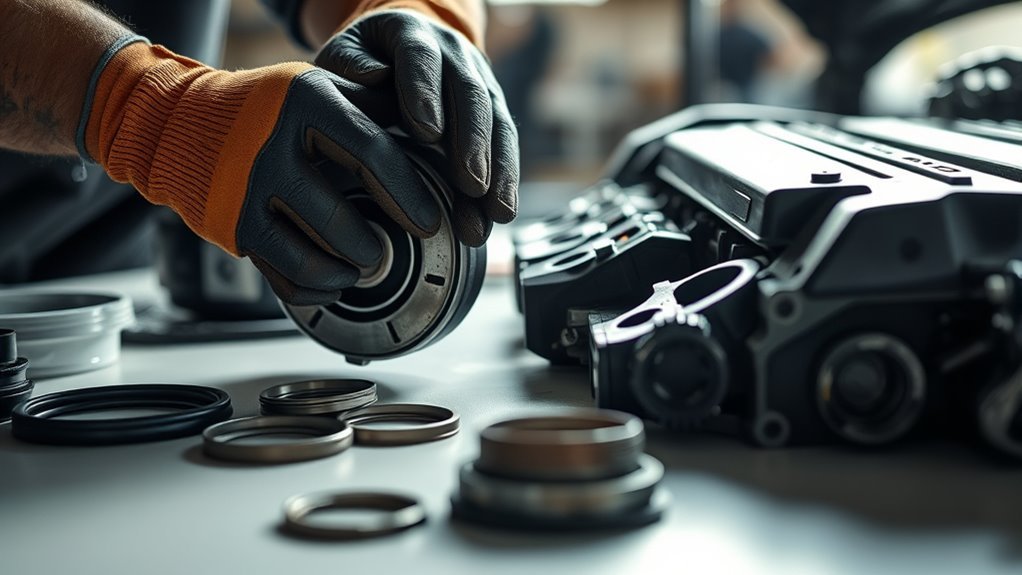
Oil leak repair costs depend on several key factors including the type of leak, repair complexity, parts, and labor. Minor leaks in accessible areas cost less than leaks involving major engine components. Labor time and part quality also affect the final price.
The type and severity of the leak determine repair difficulty. Small leaks from seals or gaskets near the oil pan or valve cover usually require less work. Leaks from the oil pan, timing cover, or internal engine parts need more labor and raise costs.
Labor intensity influences repair prices. Repairs requiring extensive disassembly or engine teardown take longer and increase labor charges. Mechanics charge by the hour, so more complex repairs cost more.
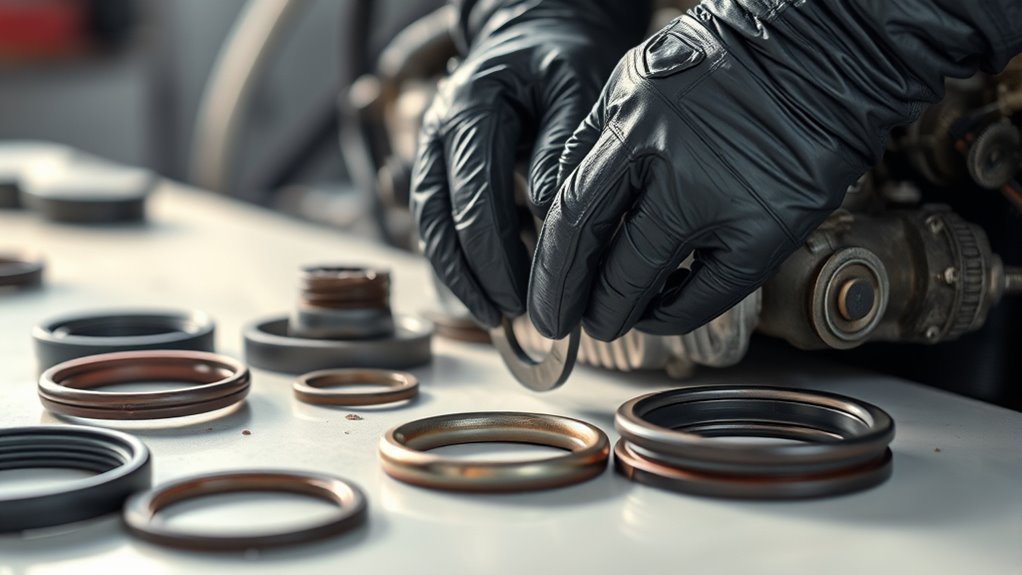
Replacement parts impact expenses. Original Equipment Manufacturer (OEM) parts generally cost more than aftermarket parts. High-quality gaskets and seals raise the price but improve durability.
Vehicle make and model affect repair complexity. Luxury or imported cars often involve higher labor rates and pricier parts. Older or rare models may also increase diagnostic and repair time.
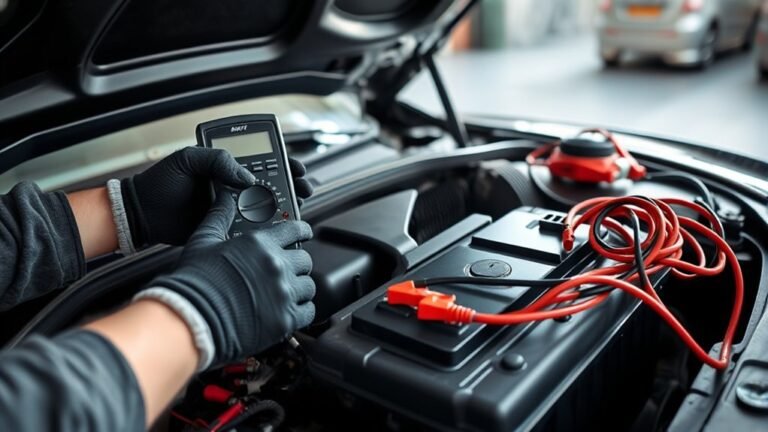
Diagnostic work adds to the total cost. Identifying the exact leak source may require tests and inspections, especially if the leak is not obvious. This step can increase labor time and diagnostic fees.
Summary of factors influencing oil leak repair costs:
- Leak type and severity
- Labor time and complexity
- Quality and cost of replacement parts
- Vehicle make and model
- Diagnostic procedures and difficulty
How Oil Leak Repair Costs Vary by Location
Oil leak repair costs can differ substantially depending on the location of the leak. Front engine leaks often involve higher expenses due to complex components, while rear engine leaks may require specialized labor. Additionally, leaks under the car’s undercarriage can vary in price based on accessibility and parts needed.
Front Engine Leak Costs
Front engine leaks affect repair costs based on the leak location and involved parts. Common leaks include the timing cover gasket, front crankshaft seal, and oil pan gasket. Repair expenses depend on labor intensity and part accessibility.
Timing cover gasket leaks require moderate labor. The gasket seals the timing cover to the engine block. Replacing it involves removing components to access the cover, raising labor time and cost.
Front crankshaft seal replacement often demands removing the timing belt or chain. This task increases labor costs due to complexity and time required. Parts for the seal are generally affordable compared to labor expenses.
Oil pan gasket leaks usually cost less to repair. The oil pan is easier to access, reducing labor time. Gasket replacement involves draining oil and unbolting the pan, a straightforward process.
Labor costs for front engine leaks are typically higher than simple seal repairs but lower than rear engine leaks. The repair cost range reflects this labor difference combined with part prices.
Summary of front engine leak repairs:
- Timing cover gasket: Moderate labor, moderate cost
- Front crankshaft seal: High labor, higher cost
- Oil pan gasket: Low labor, lower cost
Accurate diagnosis is critical to identify the exact leak source and estimate repair expenses correctly.
Rear Engine Leak Expenses
Repair costs for rear engine oil leaks are generally higher than leaks in other engine areas. Limited access and extra labor increase expenses. Removing parts like the transmission or exhaust is often necessary. Seals in the rear, such as the rear main seal, wear out and cost more to replace. Diagnostic time can also add to the labor.
Rear engine leaks require more work because mechanics must remove multiple components to reach the leak. The rear main seal is a common failure point that demands careful replacement. Diagnostic procedures take longer due to the complex location. These factors combine to raise overall repair costs compared to front engine leaks.
Cost differences depend on the vehicle make and model. Some engines offer easier access to the rear, lowering labor time and expenses. However, most rear engine leaks remain among the costliest oil leak repairs.
Summary of rear engine leak repair factors:
- Limited accessibility increases labor time
- Removal of transmission, exhaust, or other parts often needed
- Rear main seal and related gaskets wear and cost more
- Diagnostics take longer due to complex location
- Costs vary by vehicle design but tend to be higher than front leaks
In comparison, front engine leaks usually allow quicker repairs with fewer parts removed, reducing labor and cost. Rear engine oil leaks generally require more intensive, time-consuming work, leading to higher repair bills.
Under-Carriage Leak Pricing
Repair costs for oil leaks under a vehicle vary mainly by leak location and repair complexity. Common leak points include the oil pan gasket, main seals, and valve cover gaskets. Prices depend on labor time and part difficulty.
Oil pan gasket repairs cost between $150 and $450. The oil pan gasket seals the oil pan to the engine block. Replacement requires moderate labor to remove the pan and clean the surfaces before installing a new gasket.
Front and rear main seal replacements typically range from $500 to $1,200. Main seals prevent oil leaks around the crankshaft. These seals are deeper inside the engine, requiring substantial disassembly, which increases labor costs.
Valve cover gasket repairs beneath the chassis usually cost between $200 and $600. Valve cover gaskets seal the top of the engine’s valve cover. Repair might involve accessing tight spaces under the vehicle but generally requires less labor than main seals.
Additional factors affecting repair costs include:
- Vehicle make and model
- Accessibility of the leak area
- Severity and extent of the leak
Summary table of typical repair costs:
| Leak Location | Price Range | Labor Intensity |
|---|---|---|
| Oil Pan Gasket | $150 – $450 | Moderate |
| Front/Rear Main Seal | $500 – $1,200 | High |
| Valve Cover Gasket | $200 – $600 | Moderate to Low |
Repair pricing depends on the leak’s location, how hard it is to reach, and the parts involved. Accurate diagnosis is essential for estimating costs.
How Much Does a Valve Cover Gasket Replacement Cost?
The cost of replacing a valve cover gasket typically includes both the price of the gasket itself and the labor required for installation. Gasket prices vary depending on the vehicle make and model, while labor costs depend on the mechanic’s hourly rate and the job’s complexity. Understanding these factors helps provide an accurate estimate for the total replacement cost.
Valve Cover Gasket Price
Valve cover gasket prices typically range from $20 to $100. The cost depends on the vehicle make, model, gasket quality, and whether the part is OEM or aftermarket. Some kits include additional seals and bolts, which can increase the price.
The valve cover gasket is a crucial engine component that seals the valve cover to the cylinder head. OEM gaskets usually cost more but may provide better fit and durability. Aftermarket gaskets offer budget options but vary in quality.
Gasket materials affect prices. Common materials include:
- Rubber: Flexible and affordable
- Cork: Traditional, moderately priced
- Silicone: Durable, often more expensive
Kits may contain extra parts like seals, bolts, or washers, adding to the price. Labor costs for installing the gasket are separate and can vary widely based on vehicle complexity and shop rates.
Summary:
| Factor | Price Impact |
|---|---|
| Vehicle make and model | Varies widely |
| OEM vs aftermarket | OEM usually higher |
| Gasket material | Silicone > Cork > Rubber |
| Included kit components | Slight price increase |
| Labor cost | Not included |
Knowing these factors helps estimate the total cost of valve cover gasket replacement accurately.
Replacement Labor Costs
Labor required for a valve cover gasket replacement depends on the vehicle type and mechanic’s hourly rate. Labor time usually ranges from 1 to 3 hours. Simple engines need less time, while complex engines require more labor. Hourly rates vary between $75 and $150 depending on location and shop.
Labor time estimates by vehicle type:
| Vehicle Type | Estimated Labor Time (hours) |
|---|---|
| Compact Cars | 1 – 1.5 |
| Mid-size Cars | 1.5 – 2 |
| Trucks/SUVs | 2 – 3 |
Labor costs fluctuate due to engine accessibility and local hourly rates. Compact cars often have easier access, reducing labor time. Trucks and SUVs tend to have tighter engine spaces, increasing labor duration and cost. Knowing these factors helps estimate the total labor expense for a valve cover gasket replacement.
Rear Main Seal Oil Leak Repair Cost
A rear main seal oil leak repair is costly because the seal is located between the engine and transmission, requiring extensive disassembly. The repair involves removing major components, making labor the largest expense. Parts like the seal and gaskets are inexpensive, but accessing the area demands many hours of work.
The rear main seal sits at the back of the engine crankshaft. Its position makes it hard to reach without removing the transmission or engine parts. Mechanics must detach these heavy components to access and replace the seal properly.
Labor time for this repair varies by vehicle. Typical ranges are 4 to 10 hours, depending on model complexity. Labor rates differ by region and shop, significantly affecting total costs.
Additional repairs may arise if the oil leak caused damage to surrounding parts. Addressing these issues can increase the overall price.
Cost factors summary:
- Seal and gasket cost: Low (usually under $50)
- Labor time: 4 to 10 hours
- Labor cost: Depends on hourly rate and complexity
- Additional repairs: Possible extra cost if damage exists
The main reason rear main seal oil leak repair is expensive is the labor-intensive process and difficulty accessing the seal location. The parts themselves are a minor portion of the total cost.
Oil Pan Gasket Replacement Cost Explained
The cost of replacing an oil pan gasket typically varies depending on the vehicle and labor rates, often ranging between $150 and $400. Common signs of gasket failure include oil leaks under the vehicle and a burning oil smell. Understanding these factors helps in evaluating the urgency and expense of the repair.
Typical Replacement Price
Typical replacement costs for an oil pan gasket depend on vehicle type, parts, and labor. Parts usually range from $20 to $100. Labor costs often fall between $150 and $400. Overall, total expenses commonly range from $170 to $500.
Vehicle make and model affect both parts and labor costs. Luxury and performance cars often require pricier gaskets and longer labor time. Some models need additional component removal, increasing labor charges. Independent shops generally charge less than dealerships.
Parts quality influences price. OEM gaskets cost more than aftermarket options. Choosing OEM can ensure fit and durability, while aftermarket parts may reduce expenses.
Summary of typical oil pan gasket replacement costs:
| Cost Factor | Price Range |
|---|---|
| Parts | $20 – $100 |
| Labor | $150 – $400 |
| Total Cost | $170 – $500 |
Factors affecting cost:
- Vehicle make and model complexity
- Labor rates by shop type (independent vs dealership)
- Quality of gasket (OEM vs aftermarket)
- Additional parts removal required
Understanding these factors helps set accurate expectations for oil pan gasket replacement expenses.
Signs of Gasket Failure
An oil pan gasket fails when it no longer seals the joint between the oil pan and the engine block, causing oil leaks and engine issues. Typical signs include visible oil spots under the vehicle, a burning oil odor, dropping oil levels, and engine warning lights. Detecting these signs early prevents engine damage.
Visible oil leaks often appear as puddles on the driveway or garage floor. The gasket seal wears out or cracks, allowing oil to escape. Inspect the underside of the vehicle regularly for fresh oil stains or wet areas around the oil pan.
A burning oil smell can occur when leaking oil contacts hot engine parts. This odor usually becomes noticeable after driving. If you smell burning oil, check the gasket and engine oil level immediately.
Engine oil levels dropping faster than normal signal an ongoing leak. Monitor oil levels frequently. Rapid drops can indicate a gasket failure or another leak source.
The engine warning light may turn on due to low oil pressure caused by insufficient oil from the leak. Ignoring this warning risks engine damage.
Gasket failure can cause engine problems like rough idling or overheating. Insufficient lubrication reduces engine performance and increases wear. Address gasket leaks promptly to maintain engine health.
Summary of oil pan gasket failure signs:
- Visible oil leaks or puddles under the vehicle
- Burning oil smell after driving
- Frequent drop in engine oil level
- Engine warning light illuminated
- Rough engine idling or overheating
Regularly inspect for oil stains and monitor oil levels to detect gasket problems early. Timely gasket replacement prevents more serious damage and costly repairs.
Front Crankshaft Seal Oil Leak Repair Cost
A front crankshaft seal oil leak repair typically costs between $200 and $600. The seal part costs $10 to $50. Labor is the main expense because accessing the seal requires removing parts like the timing belt or harmonic balancer. Repair time ranges from 2 to 4 hours depending on the engine and mechanic.
The front crankshaft seal prevents oil from leaking where the crankshaft exits the engine block. When this seal fails, oil leaks can damage the engine or cause overheating. Repair involves replacing the seal and possibly related components.
Factors affecting repair cost:
- Vehicle make and model
- Labor rates in your area
- Complexity of engine design
- Additional parts needing replacement (e.g., timing belt, pulleys)
Labor includes removing and reinstalling timing components or the harmonic balancer. This work requires skill and time, which increases cost.
Replacing the front crankshaft seal promptly prevents oil contamination and engine damage. Delaying repair can lead to higher costs and engine failure. Regular maintenance helps catch leaks early for reliable vehicle performance.
Camshaft Seal Oil Leak Repair Cost
A camshaft seal oil leak repair typically costs between $150 and $500. The price depends on the vehicle type, engine design, and labor rates. This repair replaces the seal that stops oil from leaking around the camshaft, protecting engine lubrication and performance.
The repair cost includes the new seal and labor to remove and reinstall parts. Engines with accessible camshaft seals require less labor and lower costs. Complex engines involve more disassembly, increasing labor time and expenses.
Factors influencing cost:
- Engine design and seal location
- Labor rates in your region
- Parts quality and brand
- Vehicle make and model complexity
Fixing a camshaft seal leak promptly prevents oil loss and potential engine damage. Compared to other engine oil leak repairs, this one falls in the moderate price range.
Comparing Costs: Labor vs. Parts in Oil Leak Repairs
Labor and parts costs both significantly affect oil leak repair expenses. Labor often accounts for the largest share, especially if the leak is in a hard-to-reach area. Parts prices vary based on the type, quality, and complexity of the gasket, seal, or component being replaced.
Labor costs rise when mechanics spend more time disassembling components to access the leak. For example, removing an oil pan can be labor-intensive, increasing repair charges even if the gasket itself is inexpensive. In contrast, some seals may cost more but require only minimal labor, lowering total repair costs.
Parts costs depend on the material and brand. Common replacement parts include:
- Oil pan gaskets (usually lower cost)
- Valve cover gaskets (moderate cost)
- Rear main seals (higher cost)
Accurate repair estimates require evaluating both labor and parts costs. A low-cost part combined with extensive labor may lead to a higher overall price. Vehicle design influences this balance, as some models require more disassembly than others.
| Factor | Impact on Cost |
|---|---|
| Leak Location | Hard-to-access leaks increase labor |
| Part Type | Gaskets usually cheaper than seals |
| Part Quality/Brand | Premium parts raise parts costs |
| Vehicle Design | Complex layouts increase labor time |
Understanding these factors helps owners anticipate oil leak repair expenses more accurately.
Warning Signs That Minor Oil Leaks Could Become Costly
Recognizing early signs of an oil leak can prevent minor problems from turning into costly repairs. Oil leaks often start small but can cause engine damage if ignored. Key warning signs include visible oil spots, unusual smells, low oil levels, and dashboard alerts.
Oil spots under a vehicle indicate an active leak. Fresh, dark puddles on the ground show oil escaping from engine seals or gaskets. Check for consistent drops after parking to confirm the leak source.
A burning oil smell occurs when leaking oil contacts hot engine parts. This odor signals oil is escaping and burning on the exhaust manifold or other components. Address this quickly to avoid fire risk or engine damage.
Low oil levels suggest hidden leaks. Frequent oil top-ups mean the engine is losing oil somewhere. Regularly check the dipstick to monitor oil quantity and catch leaks early.
Engine warning lights related to oil pressure or oil level require immediate attention. Sensors detect drops in oil pressure that can damage the engine. Do not ignore these alerts; consult a mechanic promptly.
Summary of oil leak warning signs:
- Oil spots or puddles under the vehicle
- Burning oil odor near the engine
- Frequent need to add oil
- Engine warning lights indicating oil issues
Early detection and repair of oil leaks help avoid severe engine damage and reduce repair costs. Regular inspection and maintenance ensure leaks do not worsen over time.
Tips to Save Money on Oil Leak Repairs
Oil leak repairs can be expensive, but careful steps can lower costs significantly. Early detection, quality parts, and proper maintenance help prevent leaks and reduce repair frequency. Comparing repair quotes and considering DIY fixes for simple tasks also save money.
Regular inspection helps catch oil leaks early. Look for oil spots under the vehicle and check the oil level often. Early repair avoids engine damage and more expensive fixes.
Using high-quality replacement parts prevents repeated leaks. Cheap parts may fail quickly, increasing overall costs. Choose parts from reputable brands to ensure durability.
Routine maintenance lowers leak risk. Change oil on schedule and inspect gaskets and seals for wear. Proper maintenance extends engine life and reduces repair needs.
Compare prices from several repair shops before deciding. Obtain multiple quotes to find competitive rates. Some shops offer warranties or discounts that add value.
Temporary sealants can stop minor leaks short-term. They are cost-effective but not permanent fixes. Always follow sealant instructions and seek professional evaluation for ongoing issues.
DIY gasket replacement can reduce labor costs if you have tools and knowledge. Follow repair manuals and safety guidelines closely. Attempt only repairs within your skill level to avoid further damage.
Summary of money-saving tips on oil leak repairs:
- Inspect vehicle regularly for leaks
- Use quality replacement parts
- Perform routine oil changes and gasket checks
- Get multiple repair quotes
- Consider temporary sealants for minor leaks
- Attempt DIY repairs cautiously when qualified
Following these steps helps minimize expenses and keeps your engine running efficiently.
Frequently Asked Questions
How Can I Prevent Oil Leaks From Occurring in the First Place?
Prevent oil leaks by performing regular maintenance, such as timely oil changes and inspecting seals and gaskets for damage. Ensure engine components are installed correctly without over-tightening to avoid seal stress. Use high-quality oil and parts to reduce wear. Keep the engine clean to spot leaks early and enable prompt repairs.
What Are the Environmental Impacts of Oil Leaks?
What are the environmental impacts of oil leaks?
Oil leaks contaminate soil and water, harming plants, animals, and ecosystems. They reduce biodiversity and pollute waterways, affecting aquatic life and drinking water quality. Long-term exposure damages habitats and food chains, and cleanup is expensive and often incomplete. Preventing leaks and quick repairs are crucial to minimize harm.
Can Driving With an Oil Leak Damage My Engine Permanently?
Can driving with an oil leak damage my engine permanently?
Yes, driving with an oil leak can cause permanent engine damage. Low oil levels reduce lubrication, increasing friction and heat, which leads to worn parts, engine seizure, or costly failures. Timely detection and repair are essential to prevent irreversible damage and expensive repairs.
Are There Temporary Fixes for Oil Leaks Before Professional Repair?
Yes, temporary fixes for oil leaks include oil leak stop additives and gasket sealants. These methods can slow or temporarily seal minor leaks, reducing oil loss and protecting the engine until a professional repair is done. However, they are not permanent solutions and relying on them alone may worsen the leak or cause further engine damage. Timely professional assessment is essential.
How Often Should I Check for Potential Oil Leaks?
Check oil levels and potential leaks at least once a month or before long trips. Inspect under the vehicle for oil spots and monitor the oil dipstick for unusual drops. Increase frequency after repairs or in older vehicles to catch leaks early, prevent damage, and reduce repair costs.