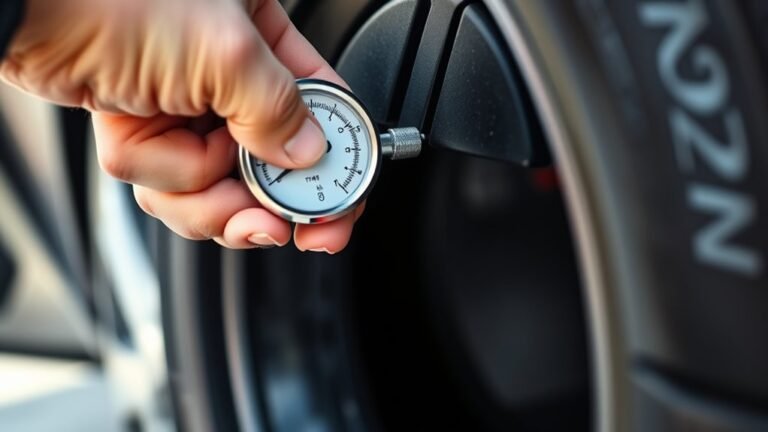
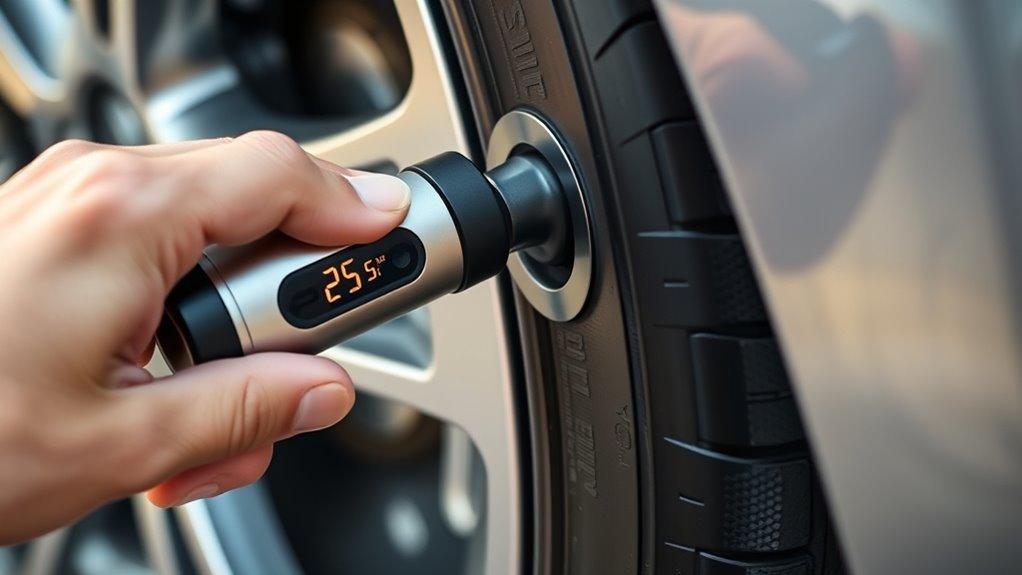
How to Use a Portable Air Pump for Car Tires: PSI Setup and Inflation Steps
Using a portable air pump for car tires is a simple way to keep your tires properly inflated. Proper tire pressure improves safety, fuel efficiency, and tire life. It’s important to know how to set up and use the pump correctly.
First, find the recommended PSI for your tires. This information is usually on the driver’s door frame or in the car manual. Always check the tire pressure when the tires are cold for an accurate reading.
Next, remove the valve cap and attach the pump nozzle securely. Set the pump to the correct PSI, then turn it on. Inflate the tire while watching the gauge closely.
Stop when you reach the recommended pressure, replace the valve cap, and double-check the pressure with a reliable gauge. This ensures your tires are safely and properly inflated.
How To Find The Right PSI For Your Car Tires Before Inflation
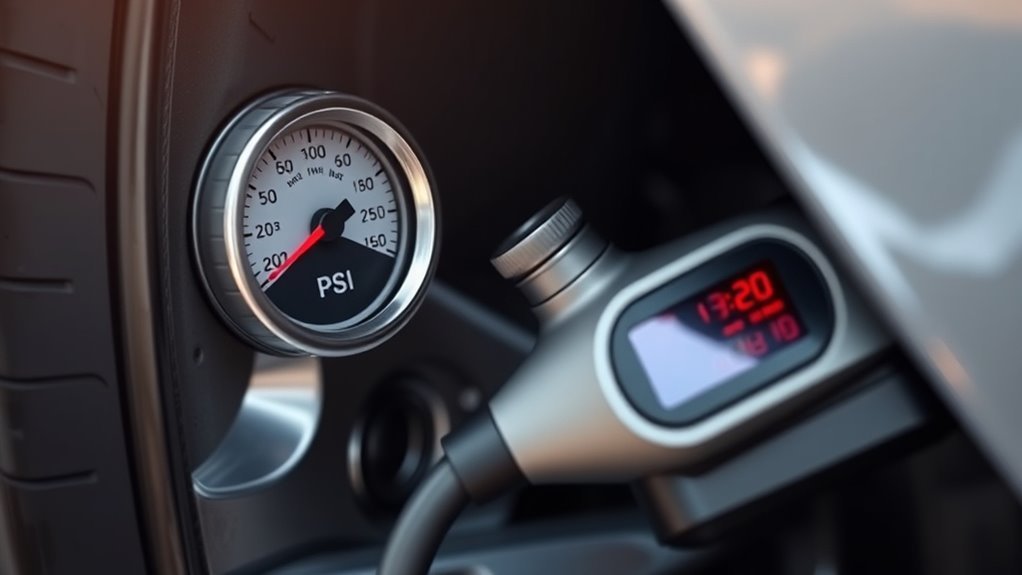
Correct tire pressure (PSI) ensures safe driving and optimal vehicle performance. Vehicle manufacturers specify the recommended PSI for tires. This information is found on a sticker inside the driver’s door jamb or in the owner’s manual. Use the manufacturer’s PSI, not the tire’s maximum sidewall pressure.
Maintaining the manufacturer’s recommended tire pressure is key for safety and optimal vehicle performance.
The recommended PSI changes based on vehicle make, model, and load capacity. Tire pressure should be checked when tires are cold, before driving. Heat from driving raises tire pressure and gives inaccurate readings.
Maintaining the correct PSI improves fuel economy, tire life, and vehicle handling. Confirm the recommended PSI before inflating tires. This step is necessary before using any portable air pump.
Steps to find the right PSI:
- Locate the tire information sticker on the driver’s door jamb or consult the owner’s manual.
- Note the recommended PSI for front and rear tires.
- Check tire pressure when tires are cold, ideally after the car has been parked for several hours.
- Inflate tires to the specified PSI using a reliable air pump or gauge.
- Avoid using the tire sidewall’s maximum PSI as a target pressure.
Following these steps ensures proper tire inflation, safety, and performance.
Essential Tools For Using A Portable Air Pump
Essential tools for using a portable air pump include the pump itself, a tire pressure gauge, valve stem caps, a power source, and a flashlight. These tools ensure safe and accurate tire inflation and help prevent damage to tires and equipment.
A portable air pump must match the vehicle’s valve stem type, such as Schrader or Presta valves, to connect securely. Compatibility ensures proper inflation without air leaks.
A reliable tire pressure gauge measures tire pressure before and after inflation. Accurate readings prevent underinflation or overinflation, both of which can affect tire performance and safety.
Valve stem caps protect the valve from dirt and moisture after inflation. Keeping caps on maintains valve integrity and prevents air loss.
A power source is necessary to run the air pump. Options include a car’s 12V outlet or a fully charged portable battery pack. Confirm the pump’s power requirements before use.
A flashlight improves visibility when inflating tires in dark or low-light conditions. It helps ensure proper connection and accurate pressure readings.
Summary of essential tools:
- Portable air pump compatible with valve stems
- Tire pressure gauge for accurate measurement
- Valve stem caps to protect valves
- Power source (12V outlet or battery pack)
- Flashlight for visibility
Having these tools ready supports efficient, safe, and effective tire inflation.
Preparing Your Tires: Cleaning And Inspection Before Inflation
Proper tire preparation ensures safe and efficient inflation with a portable air pump. Clean tires allow for better sealing and prevent valve damage. Inspecting tires before inflation helps detect issues that could cause unsafe driving or tire failure.
Cleaning the tire surface removes dirt, debris, and foreign objects that interfere with sealing. Use a soft brush or cloth to wipe the tire and valve stem clean. Clean surfaces improve valve seating and air retention.
Inspect tires carefully for cracks, bulges, punctures, and uneven wear. These defects can worsen during inflation or use, compromising safety. Early detection allows for repair or replacement before driving.
Check the valve stem for leaks or damage. A damaged valve stem causes inaccurate pressure readings and air loss. Ensure the valve cap is present and seals properly.
Summary of tire preparation steps before inflation:
- Clean tire surface and valve stem with a soft brush or cloth
- Inspect tread and sidewalls for cracks, bulges, punctures, and wear
- Check valve stem for leaks, damage, and proper cap installation
Following these steps creates a solid base for safe and effective tire inflation.
How To Connect Your Portable Air Pump
Connecting a portable air pump to a car tire requires a secure and airtight fit to ensure accurate inflation. Proper attachment prevents air leaks and allows the pump to deliver air efficiently.
Follow these steps to connect the pump correctly:
- Remove the valve cap from the tire’s valve stem.
- Align the pump’s nozzle with the valve stem.
- Attach the nozzle firmly onto the valve stem.
- Engage the locking lever if the pump has one.
- Gently tug the nozzle to confirm it is secure but avoid over-tightening.
A tight seal prevents air loss during inflation. Avoid forcing the nozzle, which can damage the valve. After securing the connection, the pump will inflate the tire to the desired pressure without delays or errors.
How To Set PSI On Your Portable Air Pump
Setting the correct PSI on a portable air pump ensures safe and efficient tire inflation. PSI stands for pounds per square inch, measuring tire pressure. To set PSI, locate the pump’s pressure gauge, find your vehicle’s recommended PSI, and adjust the pump to match this value before inflating.
Portable air pumps usually have digital or analog pressure gauges. Digital pumps display the pressure and allow adjustment via buttons. Analog pumps use a dial or needle to show pressure. Always check your vehicle’s recommended tire pressure, found on the driver’s door jamb sticker or owner’s manual. This number guides your PSI setting.
Follow these steps to set PSI on your pump:
- Locate the pressure gauge on the pump.
- Find the recommended tire pressure for your vehicle.
- Use the pump’s buttons or dial to set the desired PSI.
- Confirm the setting before inflating.
- Start the pump and monitor the pressure.
- The pump will stop or alert you when reaching the preset PSI.
Setting PSI correctly prevents overinflation or underinflation. Proper tire pressure improves safety, fuel efficiency, and tire lifespan. Always verify the PSI setting before use to avoid damage or safety risks.
How To Inflate Your Tires Safely Using A Portable Air Pump
Inflating tires safely with a portable air pump begins by properly preparing the tire valve to guarantee a secure connection. Setting the correct PSI according to the vehicle’s specifications is essential to prevent overinflation or underinflation. Throughout the inflation process, continuous monitoring helps maintain the desired pressure and avoid potential damage.
Preparing Your Tire Valve
A secure connection between a portable air pump and a car tire starts with proper preparation of the tire valve. Locate the valve stem, remove the valve cap, check for damage or dirt, and ensure the valve core is tight. These steps prevent air leaks and allow efficient inflation.
Locate the tire valve stem on the wheel. It is a small rubber or metal protrusion where air enters the tire. Remove the valve cap carefully and place it somewhere safe to avoid losing it.
Inspect the valve stem for dirt, debris, or damage. Dirt can block the seal and cause air leaks. Use a clean cloth to wipe the stem gently if needed.
Check the valve core inside the stem. The core controls airflow and must be secure. If the core is loose, use a valve core tool to tighten it. A loose core can cause air to escape during pumping.
Proper valve preparation ensures the pump head fits tightly. This prevents air from leaking and allows the tire to inflate efficiently and safely.
Setting Correct PSI
Maintaining the correct tire pressure is crucial when using a portable air pump because it ensures optimal tire performance, safety, and fuel efficiency. Proper PSI prevents uneven tire wear, maintains traction, and avoids overheating or excess fuel use.
Correct tire pressure affects how a vehicle handles and consumes fuel. Overinflated tires wear unevenly and lose traction. Underinflated tires can overheat and increase fuel consumption.
To set the correct PSI with a portable air pump:
- Locate the recommended tire pressure on the driver’s door jamb or in the owner’s manual.
- Turn on the portable air pump and select the recommended PSI.
- Attach the pump nozzle firmly to the tire valve to avoid air leaks.
- Check the PSI setting on the pump before inflating to prevent over- or underinflation.
Accurate PSI ensures safe and efficient tire inflation when using a portable air pump. Regularly checking and setting the correct pressure improves tire life and vehicle performance.
Monitoring Inflation Process
Monitoring tire inflation requires constant attention to pressure levels and tire condition to ensure safety and accuracy.
The portable air pump’s pressure gauge must be watched closely to avoid exceeding the recommended PSI. Overinflation risks tire damage or blowouts. Pause regularly to check pressure with a reliable tire pressure gauge. If the pump lacks automatic shutoff, stop inflation immediately upon reaching the target PSI.
Observe the tire for unusual bulges or noises during inflation. These signs can indicate problems. Maintain a steady airflow and avoid rapid pressure increases. Even inflation helps extend tire life and improves vehicle safety.
Key steps for monitoring inflation:
- Set the correct PSI before starting.
- Watch the pump gauge continuously.
- Pause periodically and check pressure manually.
- Stop inflation immediately at target PSI.
- Inspect tire surface for abnormalities.
- Maintain steady, controlled airflow.
Following these steps ensures accurate inflation and prevents tire damage.
How To Check Tire Pressure After Inflation
Checking tire pressure after inflation ensures safety and optimal vehicle performance. Proper pressure improves traction, fuel efficiency, and tire life. Follow a clear process to measure pressure accurately and adjust if needed.
Steps to check tire pressure after inflation:
- Remove the valve cap from the tire’s valve stem.
- Press a reliable tire pressure gauge firmly onto the valve stem. Hold it steady to prevent air from escaping.
- Read the pressure on the gauge. Compare it to the vehicle or tire manufacturer’s recommended PSI, usually found on the driver’s door frame or tire sidewall.
- Add air if the pressure is too low, or release air if it is too high.
- Recheck the pressure with the gauge after adjustments to confirm accuracy.
Regular tire pressure checks after inflation help prevent uneven tire wear and maintain vehicle safety. Use a quality gauge and check tires when they are cold for the most accurate reading.
Common Mistakes To Avoid When Using A Portable Air Pump
Using a portable air pump correctly is essential for safe and effective tire inflation. Common mistakes can cause tire damage, reduce pump efficiency, or lead to inaccurate pressure readings.
Overinflating tires happens when users do not watch the pressure gauge continuously. This can cause tire damage or blowouts. Always monitor the gauge and stop pumping as soon as the target PSI is reached.
Failing to secure the pump nozzle tightly often causes air leaks. Air leaks slow down inflation and reduce accuracy. Check that the nozzle fits the valve stem firmly before starting the pump.
Leaving the pump on after reaching the desired pressure risks overpressure. Turn off the pump immediately when the gauge shows the correct PSI to avoid damage.
Using the wrong valve adapter or forcing connections can harm valve stems. Match the adapter to the valve type and attach it gently to prevent damage.
Some pumps rely on the vehicle’s engine to operate efficiently. Trying to inflate tires with the engine off can lower pump performance and increase inflation time.
Summary of common mistakes:
- Not watching the pressure gauge during inflation
- Improper nozzle attachment causing air leaks
- Leaving the pump running after reaching target pressure
- Using incorrect valve adapters or forcing connections
- Inflating with the vehicle engine off when required
Avoiding these errors ensures accurate tire pressure, prevents damage, and improves the pump’s effectiveness.
Maintaining Your Portable Air Pump For Longevity
Maintaining a portable air pump involves proper storage to prevent damage and exposure to extreme conditions. Regular cleaning helps guarantee peak performance and extends the device’s lifespan. Additionally, monitoring and caring for the battery is essential for consistent operation over time.
Proper Storage Techniques
Proper storage preserves the function and lifespan of portable air pumps. Storing pumps correctly prevents damage, moisture buildup, and wear on parts, ensuring they work effectively when needed.
Store portable air pumps in a cool, dry place away from direct sunlight to avoid heat damage. Heat can degrade seals and plastic components, reducing pump efficiency over time.
Detach hoses and attachments or secure them carefully during storage. This practice prevents kinks, cracks, and stress on connection points that could cause leaks or failures.
Use a protective case or pouch to shield the pump from dust and impacts. Cases reduce the risk of scratches, dents, and contamination that may affect performance.
Avoid placing heavy objects on the pump. Excess weight can deform the pump housing or damage internal components, compromising structural integrity and operation.
Summary of proper storage techniques:
- Store in cool, dry, shaded areas
- Detach or secure hoses and attachments
- Use protective cases or pouches
- Keep heavy items off the pump
Following these steps keeps portable air pumps reliable and ready for use.
Regular Cleaning Routine
A portable air pump should be cleaned after every few uses or at least once a month if used infrequently. Regular cleaning ensures optimal airflow and motor efficiency by removing dust and debris that can build up and block air intake vents.
Cleaning the pump involves wiping the exterior with a soft, damp cloth. Avoid harsh chemicals that can damage plastic parts. The nozzle and hose require inspection and cleaning to maintain clear air passage.
Maintaining a dry, grime-free pump extends its lifespan and keeps it operating reliably. Consistent cleaning prevents buildup that could impair internal components and reduces the risk of malfunction.
Battery Maintenance Tips
Battery care is crucial for maintaining the performance and lifespan of a portable air pump. Proper battery maintenance prevents efficiency loss and battery failure, ensuring the pump works reliably when needed.
Proper battery storage reduces degradation. Store the pump in a cool, dry place away from direct sunlight and humidity. High temperatures accelerate battery wear and reduce capacity.
Regular charging keeps the battery healthy. Avoid letting the battery fully discharge before recharging. Partial charges help maintain battery capacity and extend lifespan.
Using the charger recommended by the manufacturer prevents damage. Non-compatible chargers can cause overcharging or overheating, which shortens battery life or may cause safety issues.
Inspect battery contacts periodically. Clean any corrosion or dirt with a dry cloth to maintain good electrical connection and reliable charging.
Summary of key battery maintenance tips:
- Store pump in cool, dry environments.
- Charge battery regularly without full discharge.
- Use manufacturer-approved chargers only.
- Check and clean battery contacts as needed.
Following these steps keeps the portable air pump’s battery in good condition and ready for emergency use.
Frequently Asked Questions
Can a Portable Air Pump Inflate Other Items Besides Car Tires?
Can a Portable Air Pump Inflate Other Items Besides Car Tires?
Yes, a portable air pump can inflate bicycle tires, sports balls, air mattresses, and inflatable pool toys. Its use depends on having the right adapters for different valves. Ensure the pump’s pressure and airflow match the item to prevent damage or underinflation. Always check compatibility before use.
How Long Does It Typically Take to Inflate a Tire Fully?
Inflating a tire typically takes 3 to 7 minutes. The time depends on the pump’s power, tire size, and initial pressure. For example, a compact 12V pump may take about 5 minutes to reach 35 PSI on a standard car tire, while a high-capacity pump can inflate faster. Monitoring pressure ensures the tire is not overinflated.
Are Portable Air Pumps Compatible With All Car Tire Valve Types?
Portable air pumps are usually compatible with Schrader valves, the most common car tire valve type. They may not fit Presta valves without an adapter. Many pumps include universal fittings or adapters for different valve types. Always check the pump’s specifications and use the correct adapter to ensure proper inflation and avoid valve damage.
Can Extreme Weather Affect the Accuracy of the Pump’s PSI Reading?
Yes, extreme weather affects a portable air pump’s PSI accuracy. Cold temperatures lower tire pressure, while heat raises it, causing sensor and gauge readings to vary. Always consider ambient temperature and recheck tire pressure once conditions stabilize for accurate inflation.
Is It Safe to Use a Portable Air Pump While Driving?
Is it safe to use a portable air pump while driving?
No, using a portable air pump while driving is unsafe. It requires attention to tire valves and pressure readings, which can distract the driver. Inflation should be done only when the vehicle is stationary to ensure safety and prevent damage.