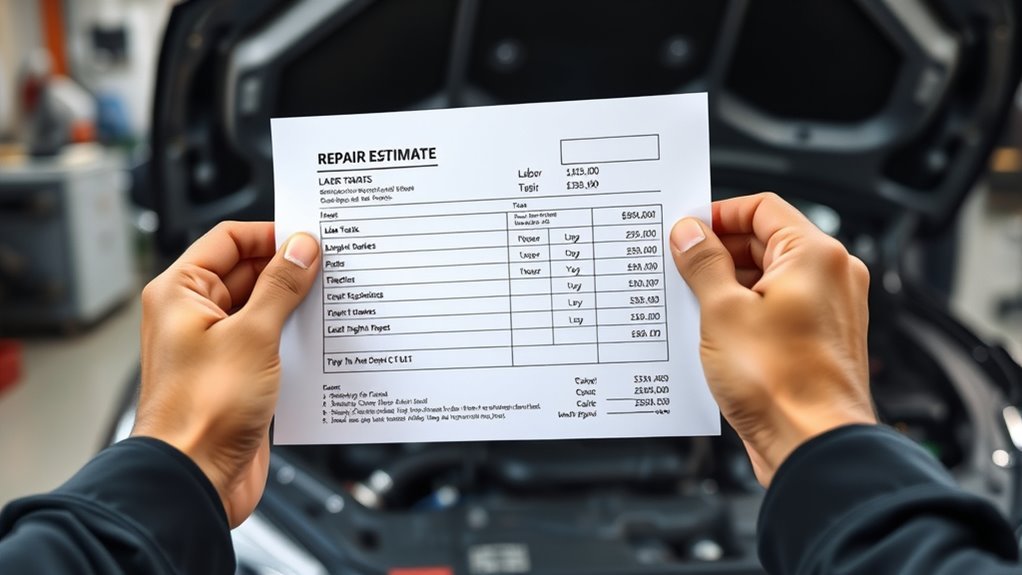
How to Get a Car Repair Estimate: What a Written Quote Should Include
Getting a car repair estimate is an important step before authorizing any work. It helps you understand the expected costs and avoid surprises. A clear, written quote provides transparency and builds trust with the repair shop.
A good estimate includes a detailed breakdown of labor hours and rates. It also lists parts, quantities, and prices. Additional fees like taxes or disposal charges should be clearly stated. Each repair task should be described in simple terms.
Checking these details carefully lets you spot unnecessary or overpriced services. It helps you make informed decisions and stay within your budget.
Knowing how to request and review quotes will save you money and improve your negotiation skills.
Why Getting a Reliable Car Repair Estimate Matters
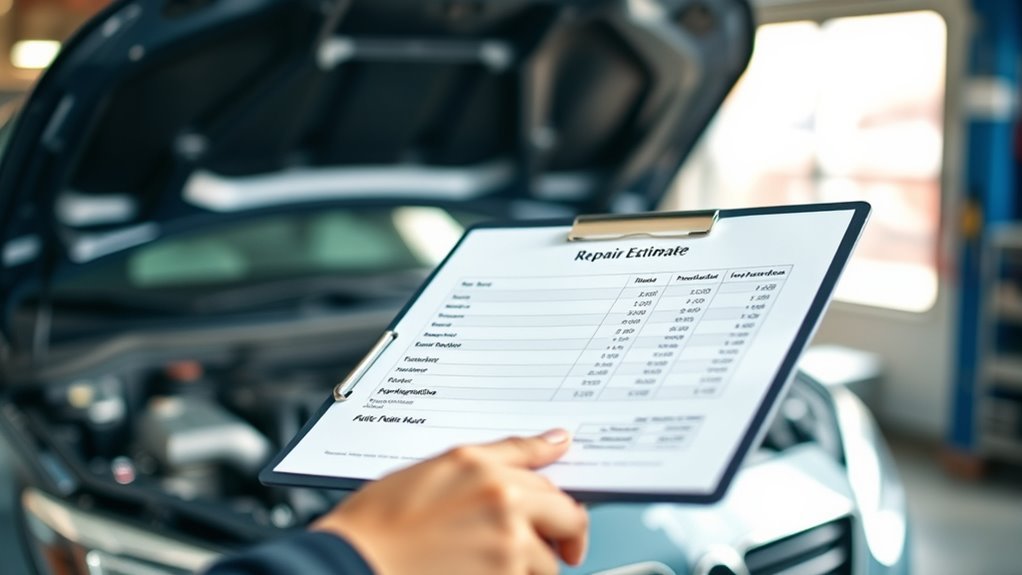
A reliable car repair estimate shows the expected cost of fixing a vehicle, helping owners plan their budget and avoid surprises. It lists parts, labor, and fees clearly. Accurate estimates let owners compare prices and choose a fair option, building trust with repair shops and preventing disputes.
Clear estimates help vehicle owners by:
- Outlining all repair costs upfront, including parts and labor
- Allowing price comparisons among multiple shops
- Helping prioritize repairs based on urgency and budget
- Reducing the risk of inflated bills or unfinished work
- Creating transparency and trust between owner and mechanic
Without a dependable estimate, vehicle owners may face unexpected charges, incomplete repairs, or delays. Getting an accurate estimate is essential for managing vehicle maintenance efficiently and making informed financial decisions.
How to Ask for a Car Repair Estimate the Right Way
A reliable car repair estimate depends on clear communication and providing specific details. Giving precise information about the vehicle and the problem helps the technician create an accurate quote. Requesting a written estimate adds clarity and ensures accountability.
Clear communication improves the accuracy of repair estimates. When asking for an estimate, describe the problem clearly. Include symptoms, noises, or behavior that the vehicle shows. This information helps the technician identify the issue faster and avoid unnecessary repairs.
Requesting a written estimate protects both the customer and the repair shop. Written quotes provide documentation that outlines the expected costs and services. This reduces the chances of misunderstanding or unexpected charges during the repair process.
Asking about the timing of the estimate clarifies how long the price remains valid. Repair costs may change due to parts availability or labor rates. Knowing an estimate’s expiration date sets realistic expectations and helps plan repairs accordingly.
Confirming contact information ensures smooth follow-up communication. Providing your phone number or email allows the shop to update you on progress, approve additional repairs, or ask questions. This keeps the repair process transparent and efficient.
Summary table of effective actions when requesting a car repair estimate:
| Action | Purpose | Benefit |
|---|---|---|
| Describe the problem | Explain vehicle issues clearly | Speeds up diagnosis and accuracy |
| Request written quote | Obtain documented cost estimate | Prevents billing surprises |
| Ask about timing | Clarify estimate validity period | Helps plan and avoid price changes |
| Confirm contact info | Enable follow-up communication | Facilitates updates and approvals |
Key Details a Reliable Car Repair Quote Should Include (Labor, Parts, and Fees)
A reliable car repair quote clearly itemizes labor costs, specifying the hours and rates involved. It also lists the parts required, including their prices and whether they are new or refurbished. Additionally, any extra fees such as shop supplies or disposal charges should be transparently detailed.
Labor Cost Breakdown
Labor cost is a key part of a repair estimate. It represents the time and skill needed to complete specific tasks. Repair shops calculate labor charges by multiplying the hours required by an hourly rate.
A labor cost breakdown lists tasks and their estimated hours. This helps customers see exactly what work is involved and how long each task takes.
| Labor Task | Estimated Hours |
|---|---|
| Diagnostic Testing | 1.0 |
| Component Replacement | 2.5 |
| System Calibration | 0.5 |
Transparency in labor costs allows customers to compare estimates from different shops. It also shows which tasks take the most time, helping customers make informed decisions about repairs.
Parts and Additional Fees
Parts and additional fees are key elements in a car repair estimate, listed separately from labor costs. Parts specify the items needed for the repair, while additional fees include taxes and service-related charges. Clear listing of these components helps customers understand the total price and avoid surprises.
Parts in a repair estimate identify the exact components required for fixing the vehicle. Each part should appear individually with quantity and price details. This breakdown allows for cost transparency and helps customers verify the necessity and cost of each item.
Additional fees cover charges beyond parts and labor. Common examples include sales tax, environmental disposal fees, and shop supplies. These fees vary by location and service provider. Clearly stating these charges prevents unexpected costs after the repair is complete.
A complete repair estimate separates labor, parts, and additional fees. This structure provides a detailed financial overview. Accurate documentation allows customers to compare estimates from different shops and make informed decisions without hidden costs.
Summary of parts and additional fees in repair estimates:
- Parts: Listed individually with quantities and unit prices
- Additional Fees: Taxes, disposal charges, shop supplies
- Purpose: Ensure transparency and prevent unexpected costs
- Benefit: Enables cost comparison and informed customer choices
How to Spot Hidden Fees and Extra Charges in Car Repair Quotes
Car repair quotes often include hidden fees that increase the total cost. Careful review of each line in the quote helps identify charges such as “shop supplies,” “environmental fees,” or “disposal charges.” Customers should ask for clear explanations and confirm whether these fees are mandatory or optional.
Repair shops may add extra fees that are not obvious at first glance. Look for vague terms like:
- Shop supplies
- Environmental fees
- Disposal charges
These fees can add significant costs. Ask the repair shop to explain any unfamiliar charges. Confirm if the fees are standard practice or optional extras.
Labor rates and time estimates must be clear and reasonable. Verify the hourly rate and the number of hours estimated for each repair task. Overstated labor hours or rates inflate the final bill.
Parts costs are another area to check. Watch for:
- Duplicate charges for the same part
- Inflated prices compared to market rates
Request a parts list with prices to compare against standard retail or online prices.
A transparent written quote prevents unexpected expenses. It ensures customers know the full cost before approving repairs. Always insist on a detailed, itemized quote that clearly shows:
- Labor rates and hours
- Parts and their costs
- Any additional fees with explanations
This approach helps avoid surprise charges and allows informed decisions about car repairs.
When to Compare Multiple Car Repair Estimates
Comparing multiple car repair estimates helps ensure fair pricing and quality service. Consumers should get several quotes when repairs cost a lot, involve complex problems, or include unfamiliar parts. This approach also reveals hidden fees and unnecessary services.
When to compare estimates:
- High-cost repairs: Expensive repairs require verification to avoid overpaying.
- Unfamiliar or complex issues: Multiple estimates confirm the accuracy of diagnosis and repair plans.
- New service providers: Comparing quotes helps verify pricing and reliability of a first-time mechanic.
| Situation | Reason for Comparing Estimates |
|---|---|
| High-cost repairs | Validates large financial commitments |
| Unfamiliar or complex issues | Ensures correct diagnosis and repair approach |
| First-time service provider | Confirms trustworthiness and fair pricing |
How to Use Your Written Quote to Negotiate a Fair Price
A written car repair quote details the expected costs and services, enabling customers to negotiate a fair price. It breaks down parts, labor, and fees, helping identify inflated charges or unnecessary repairs. Reviewing and comparing quotes supports informed discussions and price adjustments.
Customers should examine each quoted item carefully. Highlight parts or repairs that seem overpriced or unneeded. Ask the repair shop for explanations of unclear charges. Confirm labor rates by checking local or industry standards. Use this information to question or negotiate specific costs.
Comparing quotes from multiple repair shops strengthens negotiation power. Presenting a competing quote can encourage the shop to lower prices or offer discounts. Customers can request matching or better offers based on these comparisons.
Maintain a polite and factual tone during discussions. Clear communication increases the chance of reaching a fair agreement. The written quote gives customers control to balance cost and repair quality without overspending.
Frequently Asked Questions
How Long Does a Typical Car Repair Estimate Take to Prepare?
A typical car repair estimate takes 30 minutes to an hour to prepare. This time allows for a thorough vehicle inspection, identification of repairs, and calculation of parts and labor costs. Complex issues may require more time. The estimate provides an accurate cost assessment before repairs begin.
Can I Get a Repair Estimate for a Used Car?
Yes, you can get a repair estimate for a used car. Auto repair shops assess the vehicle’s condition and provide a detailed written estimate of parts and labor costs. This helps owners understand potential expenses before approving repairs.
Are Car Repair Estimates Legally Binding?
Are car repair estimates legally binding?
Generally, car repair estimates are not legally binding and serve as cost approximations. However, if a written quote explicitly states it is binding, it may hold contractual weight. Always clarify terms with the repair shop before work begins to avoid surprises.
Should I Tip My Mechanic After Getting an Estimate?
Tipping a mechanic after an estimate is not expected or required. Estimates are part of the service, and mechanics charge for their labor and expertise. If the mechanic provides exceptional service, a tip is appreciated but optional. Most customers show gratitude through positive reviews or repeat business instead of tipping.
Can Estimates Be Given Over the Phone or Online?
Estimates can often be given over the phone or online but may be less accurate without a physical inspection. These estimates rely on the vehicle owner’s description and may lack complete information. For precise quotes, an in-person evaluation is preferred. However, remote estimates provide a general cost idea before a detailed assessment.