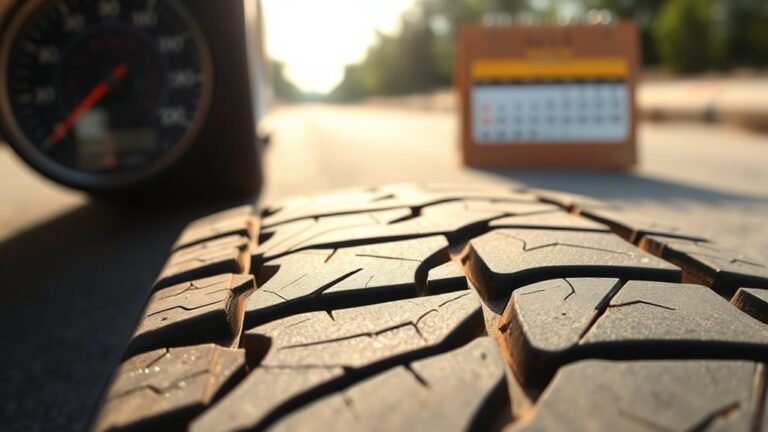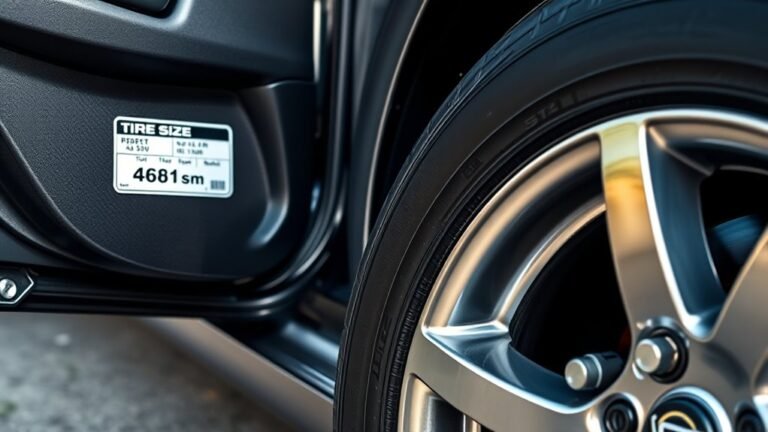
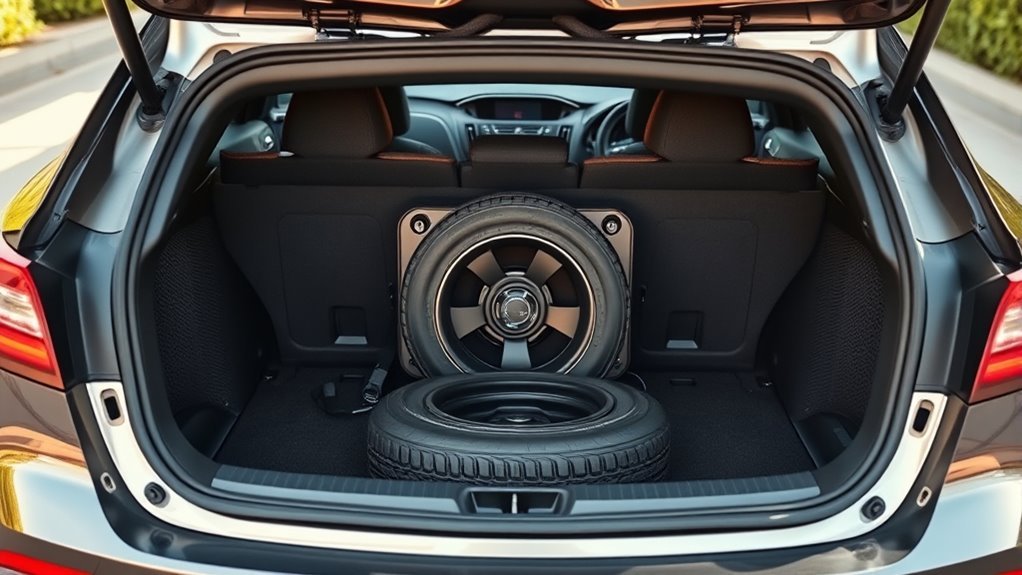
Do New Cars Come With Spare Tires? What Manufacturers Provide Instead
Many new cars do not come with traditional full-size spare tires. Manufacturers want to reduce weight and improve fuel efficiency. This change reflects the evolving needs of drivers and technology.
Instead of full-size spares, cars often come with alternatives. These include run-flat tires, compact space-savers, and tire sealant kits. Each option saves space and offers temporary solutions after a puncture.
The choice depends on the vehicle and driver preferences. These solutions affect safety, convenience, and cost. Understanding the options helps drivers make informed decisions.
Do New Cars Still Come With Spare Tires?
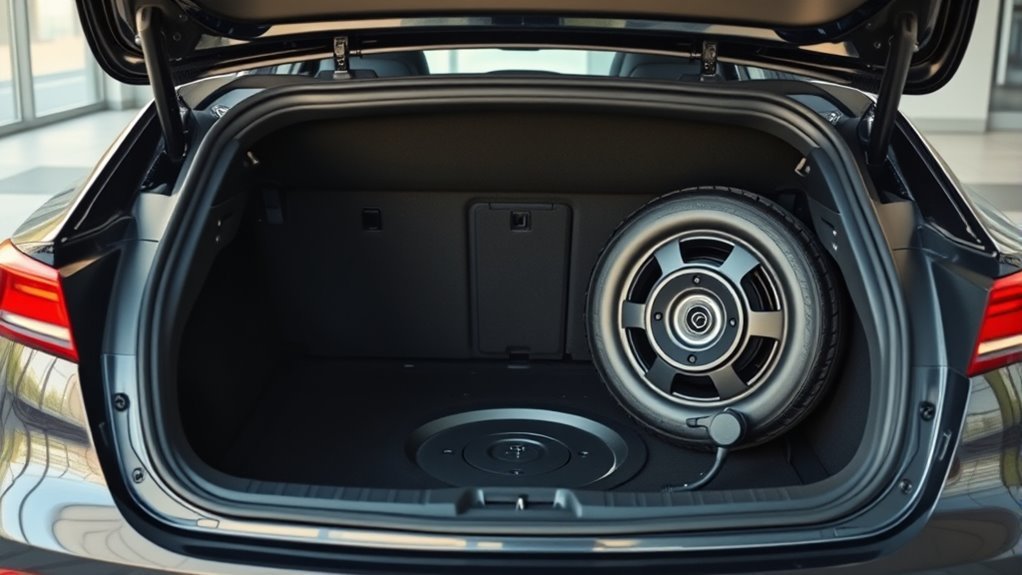
New cars often do not come with full-size spare tires. Whether a vehicle includes a spare tire depends on its make, model, and trim. Many manufacturers now offer compact spares or tire repair kits instead of traditional spares.
Spare tire availability varies by vehicle type:
- Sedans and compact cars: Usually include a compact “donut” spare or a tire repair kit.
- Luxury and performance cars: Often omit spare tires to reduce weight and free cargo space.
- Trucks and SUVs: More likely to have full-size spare tires due to off-road and utility requirements.
Consumers should check the spare tire status before buying a new car. Knowing what spare or repair option is available affects preparedness for roadside emergencies.
Why Manufacturers Are Dropping Spare Tires
Car manufacturers are increasingly eliminating spare tires to reduce vehicle weight, which improves fuel efficiency. This shift also lowers production costs by simplifying design and materials. Additionally, removing spare tires frees up interior space for other uses or storage.
Weight Reduction Benefits
Spare tires are becoming rare in new vehicles primarily to reduce weight. Removing the spare tire lowers the vehicle’s curb weight, which improves fuel efficiency, performance, and reduces emissions.
Manufacturers focus on weight reduction because spare tires add significant mass. A lighter vehicle accelerates faster, stops more quickly, and handles better. Weight reduction also lessens wear on tires and suspension parts, increasing vehicle durability.
Environmental regulations encourage automakers to cut emissions. Dropping the spare tire helps meet stricter standards by improving fuel economy. This trend reflects a shift toward designing vehicles for efficiency and sustainability.
To address tire emergencies without a spare, many vehicles now include run-flat tires, tire repair kits, or roadside assistance services. These alternatives help maintain safety while supporting the benefits of lower vehicle weight.
Cost Saving Measures
Automakers remove spare tires to cut production costs and simplify vehicle design. Spare tires increase material, manufacturing, and labor expenses. Removing them lowers costs and reduces the need for storage compartments and extra hardware.
Spare tires add weight and complexity to vehicles. They require dedicated storage space and mounting equipment. Eliminating spare tires streamlines assembly and decreases overall vehicle weight.
Manufacturers replace spare tires with tire repair kits or run-flat tires. Repair kits cost less to produce and take up less space. Run-flat tires allow drivers to continue driving temporarily after a puncture without changing the tire.
Cost savings from removing spare tires help automakers offer competitive prices or improve profit margins. This strategy balances cost reduction with maintaining vehicle safety and convenience.
Summary:
- Spare tires increase material, labor, and assembly costs.
- Spare tires require extra storage and hardware, adding complexity.
- Tire repair kits and run-flat tires are cheaper alternatives.
- Removing spare tires lowers vehicle weight and simplifies production.
- Savings support competitive pricing or higher profits without major safety compromises.
Space Optimization Design
Optimizing interior and cargo space is a key reason many manufacturers remove spare tires from vehicles. Eliminating spare tires frees up valuable room inside trunks or undercarriages, allowing for more passenger and storage space. This design choice supports practical, spacious interiors without increasing vehicle size.
Vehicle designers use the space saved by removing spare tires to create lower and flatter cargo floors. This change increases cargo capacity and makes loading easier. In electric vehicles, the extra space can house larger battery packs. It can also accommodate advanced features like infotainment systems.
Space optimization drives the adoption of alternatives such as tire repair kits or run-flat tires. These solutions maintain tire functionality while preserving interior and cargo dimensions. The trend aligns with consumer preferences for more usable space and convenience in vehicle design.
Overview of Spare Tire Alternatives in New Cars
Many new cars no longer include traditional spare tires. Instead, manufacturers use alternatives to save space and reduce weight. These options help drivers manage tire issues without carrying a full spare tire.
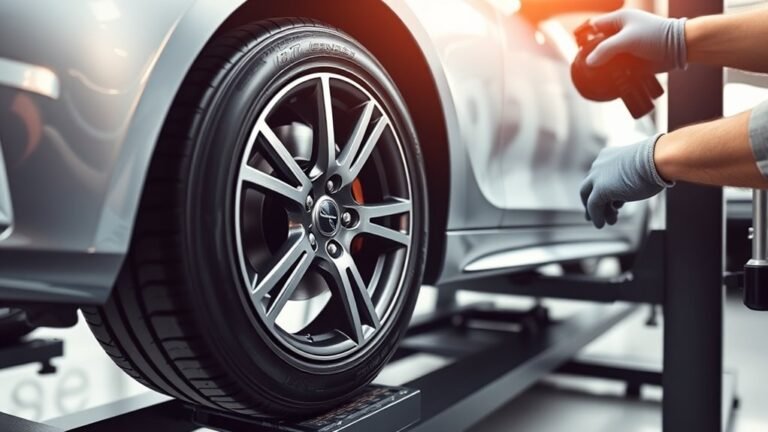
Run-flat tires allow driving for limited distances after a puncture. They have reinforced sidewalls to support the vehicle temporarily. Drivers can reach a repair shop without changing the tire immediately.
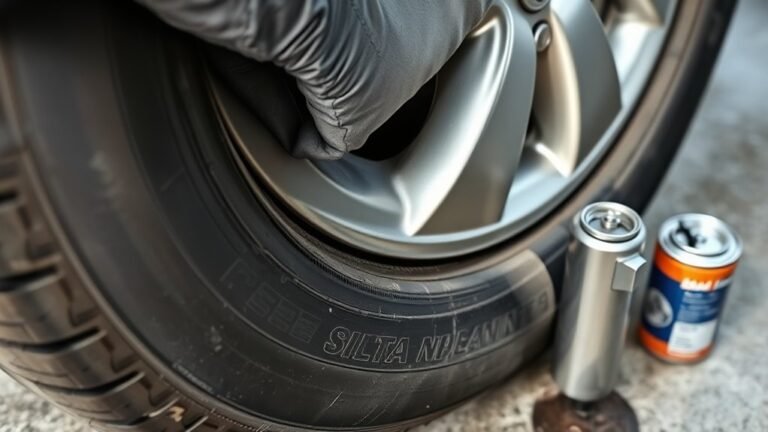
Inflatable tire sealants and repair kits provide temporary fixes for small punctures. Sealants plug holes inside the tire, allowing continued driving until a permanent repair can be made. Repair kits usually include tools to remove nails and insert plugs.
Space-saver spares are smaller, lighter tires designed for short-term use. They occupy less trunk space than full-sized spares but require cautious driving and quick replacement.
Summary of Spare Tire Alternatives:
| Alternative Type | Description | Advantages | Limitations |
|---|---|---|---|
| Run-flat Tires | Reinforced tires that support short driving after puncture | No spare needed; immediate mobility | Limited distance/speed; higher cost |
| Tire Sealant Kits | Inflatable sealant plugs small punctures temporarily | Lightweight; easy to use | Temporary fix; not for large damage |
| Space-saver Spare Tires | Compact spare tires for emergency use | Saves trunk space and weight | Lower speed and distance limits |
| Traditional Full-size Spare | Standard spare tire, same size as regular tires | Reliable for extended use | Takes space and adds weight |
Some car models still include full-size spare tires, but industry trends favor alternatives due to fuel efficiency and design priorities. Drivers should understand the limitations of each option and plan for timely repairs after a tire issue.
How Tire Repair Kits Work and When to Use Them
Tire repair kits fix small punctures when a spare tire is not available. They contain a sealant and a device to reinflate the tire. The sealant plugs holes by filling them from inside the tire. After sealing, the tire is inflated to restore pressure until a permanent fix can be done.
Tire repair kits work best on punctures caused by nails or screws in the tread. They cannot repair sidewall damage or large holes.
How tire repair kits work:
- Inject sealant through the valve stem.
- Sealant fills and blocks the puncture from inside.
- Reinflate the tire with an air compressor or hand pump.
- Drive a short distance to spread the sealant evenly.
- Monitor tire pressure and seek permanent repair soon.
When to use tire repair kits:
- Small punctures under 6 mm (1/4 inch) in the tread.
- Punctures caused by sharp objects like nails or screws.
- Situations without access to a spare tire or roadside assistance.
Do not use tire repair kits for:
- Sidewall cuts or bubbles.
- Large punctures or tears.
- Tires with severe damage or worn tread.
| Component | Purpose |
|---|---|
| Sealant | Seals small tread punctures |
| Air Compressor | Re-inflates the tire after sealing |
| Instructions | Provides step-by-step repair guide |
What Are Run-Flat Tires and Their Benefits?
Run-flat tires are designed to maintain their shape and support a vehicle’s weight even after a puncture, allowing continued driving for a limited distance. They offer advantages such as enhanced safety and eliminating the immediate need for a spare tire. However, their use comes with certain limitations and considerations regarding performance and cost.
How Run-Flat Tires Work
Run-flat tires allow vehicles to keep moving safely after a puncture without air pressure. They use reinforced sidewalls to support the vehicle’s weight and prevent tire collapse. Drivers can maintain control and reach a repair shop within a limited distance, typically up to 50 miles at reduced speeds.
Run-flat tires have stronger sidewalls than conventional tires. These sidewalls carry the vehicle’s weight if air escapes. This design stops the tire from folding or losing shape, which helps drivers keep steering control after a puncture.
Drivers can usually drive up to 50 miles on run-flat tires at speeds around 50 mph. This limited range gives enough time to reach a service center for repair or replacement. The reduced speed requirement ensures safety and prevents further tire damage.
| Feature | Description |
|---|---|
| Reinforced Sidewalls | Support vehicle weight without air |
| Limited Driving Range | Up to 50 miles at approximately 50 mph |
| Enhanced Safety | Helps maintain control after a puncture |
Advantages Over Traditional Tires
Run-flat tires allow drivers to keep driving after a puncture for a limited distance at reduced speeds. This feature improves safety by reducing the need to stop immediately for tire changes and lowers accident risks in dangerous locations.
Run-flat tires eliminate the need for a spare tire. Removing the spare frees trunk space and reduces vehicle weight, which can enhance fuel efficiency. Drivers benefit from added convenience without carrying extra equipment.
Run-flat tires provide better vehicle stability when air pressure suddenly drops. The tires maintain control and handling, helping drivers avoid loss of control during a flat tire event.
Summary of advantages over traditional tires:
- Drive up to 50 miles at reduced speeds after a puncture
- No spare tire required, saving trunk space and weight
- Maintains vehicle stability during air pressure loss
- Increases driver safety and confidence in emergencies
Common Limitations and Considerations
Run-flat tires allow driving for a limited distance after a puncture but have trade-offs in comfort, cost, and maintenance. They are not a permanent fix and require timely repair or replacement to ensure safety.
Run-flat tires use reinforced sidewalls to support the vehicle when air pressure is lost. This design often results in a firmer ride and altered handling compared to conventional tires. Drivers should expect reduced ride comfort due to the stiffer structure.
The cost of run-flat tires is higher than regular tires. Initial purchase prices and replacement costs both tend to be more expensive. Budget considerations should include these factors before choosing run-flat tires.
Run-flat tires may wear out faster because their reinforced construction can accelerate tread degradation. This can lead to shorter tread life compared to standard tires, potentially increasing the frequency of replacements.
Not all tire repair shops can service run-flat tires. Limited availability of specialized equipment and expertise may cause inconvenience when repairs or replacements are needed.
Run-flat tires provide temporary mobility after a puncture, usually allowing driving up to 50 miles at reduced speeds. However, they are a temporary solution and must be repaired or replaced promptly to maintain vehicle safety and performance.
Summary of key limitations:
- Stiffer sidewalls reduce ride comfort and affect handling
- Higher initial and replacement costs
- Potentially shorter tread life
- Limited repair shop availability
- Temporary use after puncture requires quick repair or replacement
How Inflatable Sealants Can Temporarily Fix Flats
Inflatable sealants provide a temporary fix for flat tires by sealing small punctures and reinflating the tire in one step. They help drivers avoid immediate wheel changes and enable limited driving to a repair shop.
Inflatable sealants come as aerosol cans or compact kits. Users inject a liquid sealant inside the tire. The sealant coats the interior surface and plugs holes caused by nails or sharp objects.
The inflating agent inside the sealant restores some tire pressure. This allows the driver to continue driving safely at low speeds until reaching a service center.
Key points about inflatable sealants:
- Designed for emergency use only
- Seal small punctures, not large or sidewall damage
- Provide temporary pressure restoration
- Require careful application following instructions
- Do not replace permanent tire repair or replacement
Users must follow manufacturer directions to avoid damage or safety risks. Inflatable sealants are a short-term solution to get the vehicle moving again after a flat tire.
Choosing the Best Spare Tire Alternative for Your Needs
Selecting the best spare tire alternative depends on your vehicle type, storage capacity, and driving habits. Each option offers distinct benefits and limitations in convenience, reliability, and cost.
Compact temporary spare tires save space and provide immediate roadside use. They are suitable for drivers who want a quick, short-term fix. These spares are smaller than regular tires, reducing weight and storage needs but require replacement or repair soon after use.
Inflatable tire sealants offer a lightweight solution and occupy minimal space. They temporarily seal small punctures and allow limited driving distances. Sealants work best for occasional use and short trips, not for long-term or high-speed driving.
Run-flat tires eliminate the need for carrying a spare. They allow continued driving after a puncture for a limited distance at reduced speeds. Run-flat tires increase convenience but have higher replacement costs and can produce a firmer ride due to reinforced sidewalls.
Comparison summary:
| Spare Tire Option | Storage Space | Usability | Cost Impact | Ideal Use Case |
|---|---|---|---|---|
| Compact Temporary Spare | Low | Immediate, short-term fix | Low initial, moderate replacement | Drivers needing quick roadside repair |
| Inflatable Sealants | Very Low | Temporary, limited distance | Low | Occasional puncture repair, short trips |
| Run-Flat Tires | None | Drive limited distance post-puncture | High replacement, no spare needed | Convenience-focused, frequent drivers |
Evaluate your driving patterns, vehicle compatibility, and emergency readiness to choose the option that best fits your safety and practical needs.
Frequently Asked Questions
How Often Should Spare Tires Be Checked for Usability?
How often should spare tires be checked for usability?
Spare tires should be checked at least every six months for proper inflation and condition. Monthly tire pressure checks, especially before long trips, are also recommended to ensure safety and readiness.
Can I Buy a Spare Tire Separately From the Manufacturer?
Yes, you can buy a spare tire separately from the manufacturer. Most manufacturers offer spare tires or tire repair kits as optional accessories, usually at an additional cost. This allows drivers to choose between repairing a tire or purchasing a replacement.
Are Spare Tires Covered Under New Car Warranties?
Are spare tires covered under new car warranties?
Spare tires are usually not covered under new car warranties because they are considered consumable items prone to wear and damage. Warranty coverage typically focuses on essential vehicle parts. Some extended or roadside assistance plans may offer limited spare tire coverage or replacement help. Always check the specific warranty terms for exact details.
How Much Does a Typical Spare Tire Cost to Replace?
How much does a typical spare tire replacement cost?
A typical spare tire replacement costs between $100 and $300, depending on the tire type and vehicle model.
What factors affect the price of a spare tire?
Price depends on tire size, brand, and whether it is a full-size or compact “donut” spare.
Do installation and balancing fees affect the total cost?
Yes, installation and balancing can add $15 to $50 to the total replacement cost.
What kind of spare tires do most drivers choose?
Around 70% of drivers choose budget-friendly spare tire options.
Do Electric Vehicles Have Different Spare Tire Needs?
Do electric vehicles have different spare tire needs?
Yes, electric vehicles often use tire repair kits or run-flat tires instead of traditional spare tires due to space and weight constraints from battery packs.
Why don’t many EVs have traditional spare tires?
Battery placement limits space, and reducing weight improves efficiency, so manufacturers prefer repair kits or run-flat tires.
Do EVs offer special roadside assistance for tire issues?
Many electric vehicles include roadside assistance plans specifically designed to address tire-related problems.